
The Ultimate Guide to Hat Materials: Felt, Panama, Tweed & More
Choosing a hat isn’t just about shape or style. The material plays a fundamental role in comfort, durability, weather resistance, and even the overall look of the piece. At Henri Henri, a hat shop founded in 1932 in Montreal, we work with a wide variety of fine materials suited to all four Canadian seasons.
Here is a detailed guide to better understand different hat and cap materials, their properties, and their advantages.
In This Guide You’ll Find information about:
Felts made of wool, rabbit, beaver, the "X"s in cowboy hats, leather, straws like Panama, Shantung, milan, paper, goretex, wool fabrics, Donegal Tweed, Harris Tweed, cashemire, waxed cotton, linen, silk.
How to Choose the Right Material
Your choice depends on several factors:
- Climate (harsh winter, rainy weather, hot summer)
- Intended use (daily wear, special occasion, travel)
- Desired durability
- Water tolerance
- Level of structure you prefer
Looking for a specific hat in your preferred material? Simply go to the category of your chosen style or brand and use the filters to select your desired material.
Felt Hats: Elegance, Structure and Durability
Felt is made through pressure, moisture, and heat, which bind animal fibers together without weaving. It is especially popular for fall and winter hats.
Wool Felt
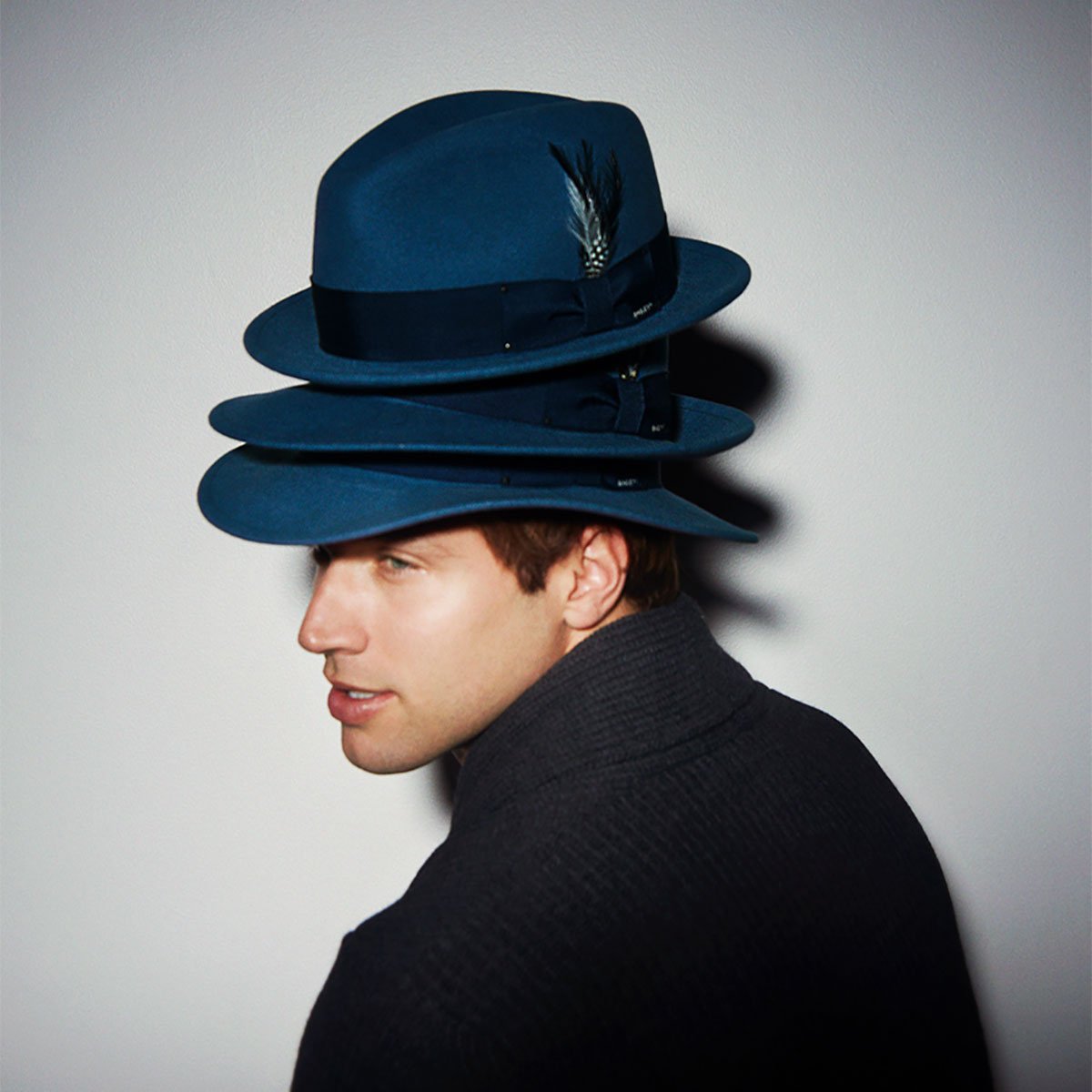
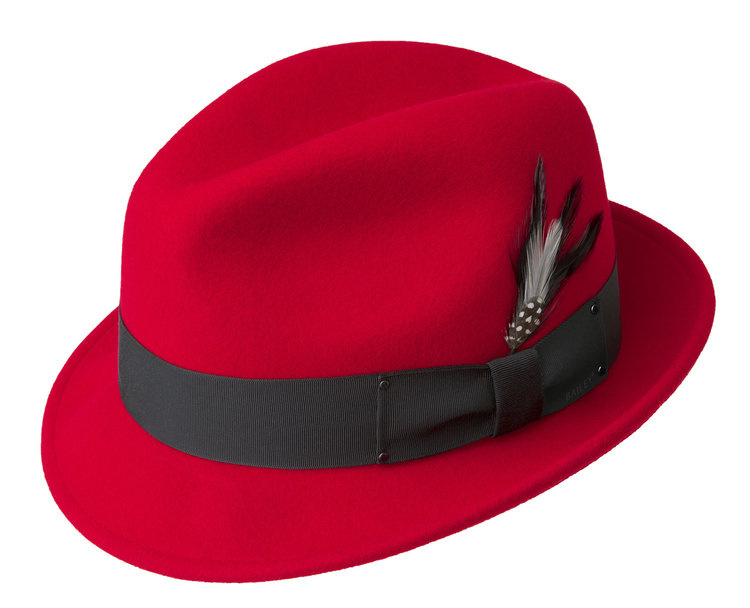
Wool felt is often the most accessible option. Wool comes from sheep, bison, or alpaca. To produce felt, the wool fibers are moistened, heated, and compressed until they naturally interlock, creating a dense material without weaving. Wool felt has been used for centuries — traces of it can be found among nomadic peoples of Central Asia. More affordable, it provides warmth and structure, ideal for fall and winter. Bailey offers excellent value in wool felt hats.
Properties:
Good thermal insulation, lightweight and comfortable, more affordable, decent structure but less dense
Advantages:
Ideal for everyday wear, good for cool climates, easy to maintain
Limitations:
Less durable than rabbit or beaver fur felt, less water-resistant, may lose rigidity over time
Wool felt is perfect for those seeking an elegant hat at an accessible price.
Care: Brush counter clock wiser with a horsehair brush. Always air dry away from heat sources to prevent excessive shrinkage (some minor shrinkage is normal). Once dry, store in a hat box.
Rabbit Felt (Fur Felt)
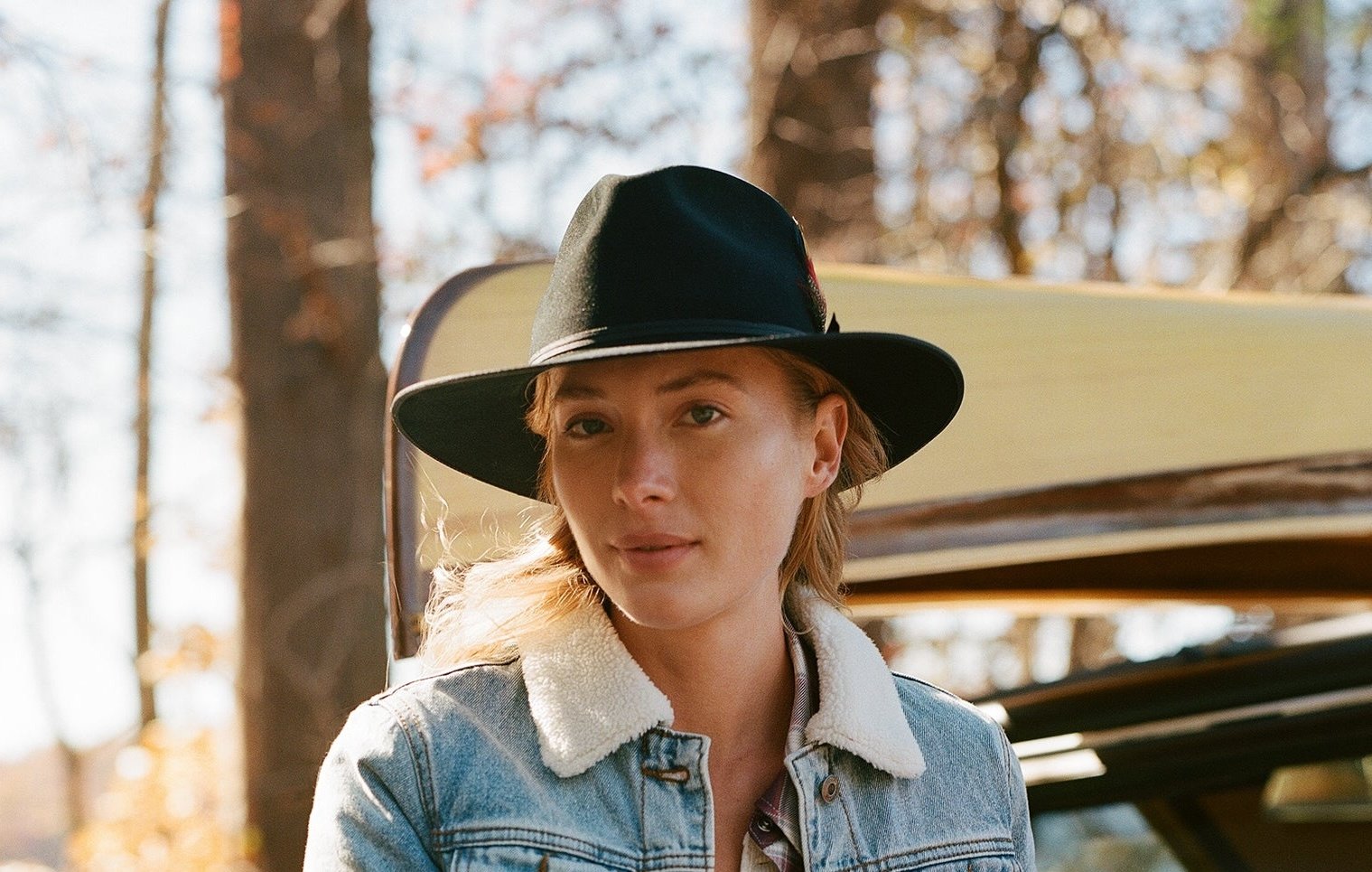
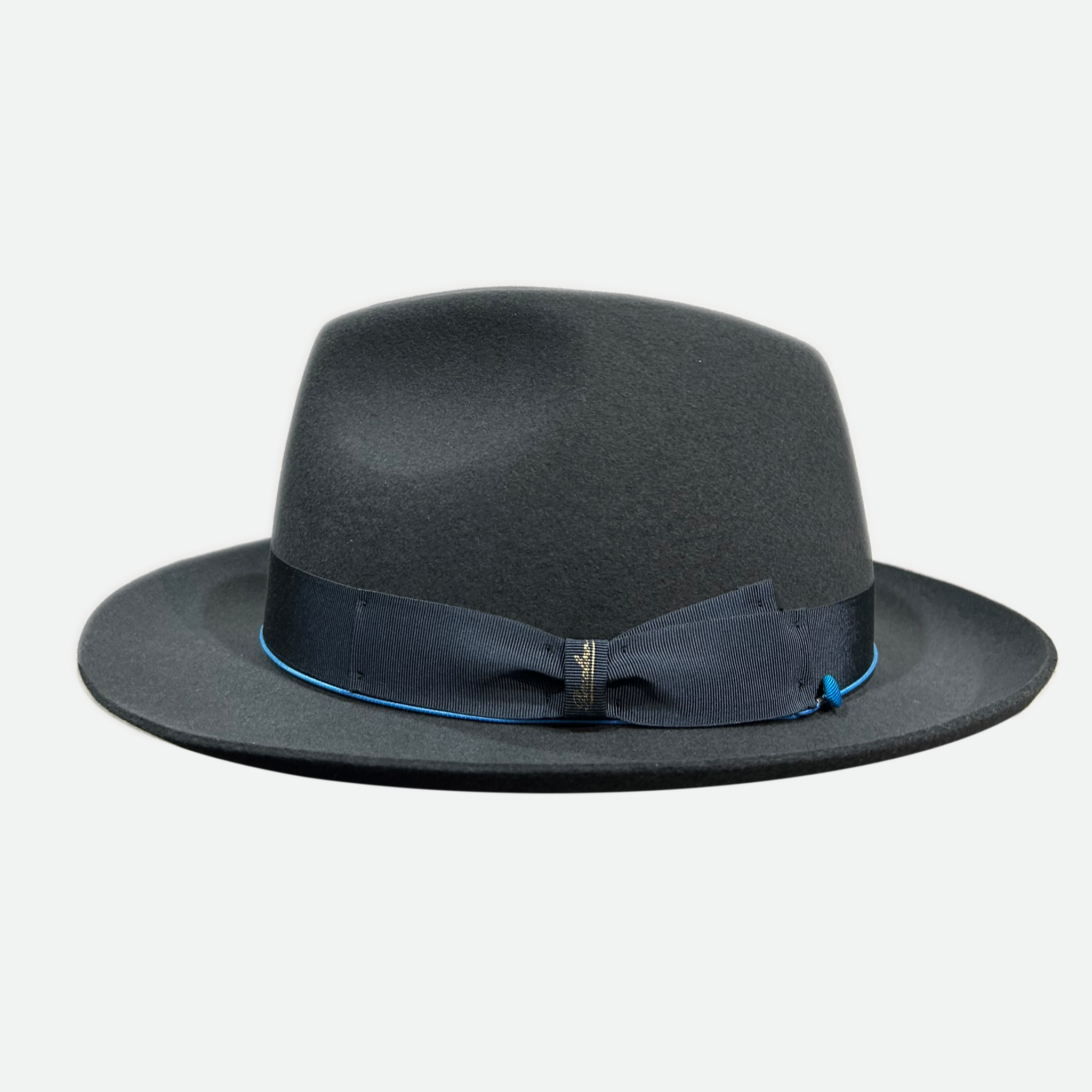
Rabbit felt is a superior quality widely used in high-end hats. It is made from very fine fur fibers that are collected and bonded using pressure, steam, and friction. The most commonly used rabbit is Angora. Its fur, naturally shed several times a year, is used to create felt. Unlike woven fabric, felt is compressed fiber. Softer and more durable than wool, it offers a smooth and elegant finish. Popularized in Europe in the 17th century, it became a benchmark in quality hatmaking. In most cases, if you see “Fur Felt,” it refers to rabbit. Occasionally, it may also include hare or a blend, though this is less common.
Properties:
Finer, denser fiber, soft velvety texture, excellent shape retention, better moisture resistance
Advantages:
More durable, withstands light rain and snow longer, refined appearance
An excellent balance between quality, longevity, and comfort.
Care: Brush counter clock wiser with a horsehair brush. Always air dry away from heat sources to prevent excessive shrinkage (some minor shrinkage is normal). Once dry, store in a hat box.
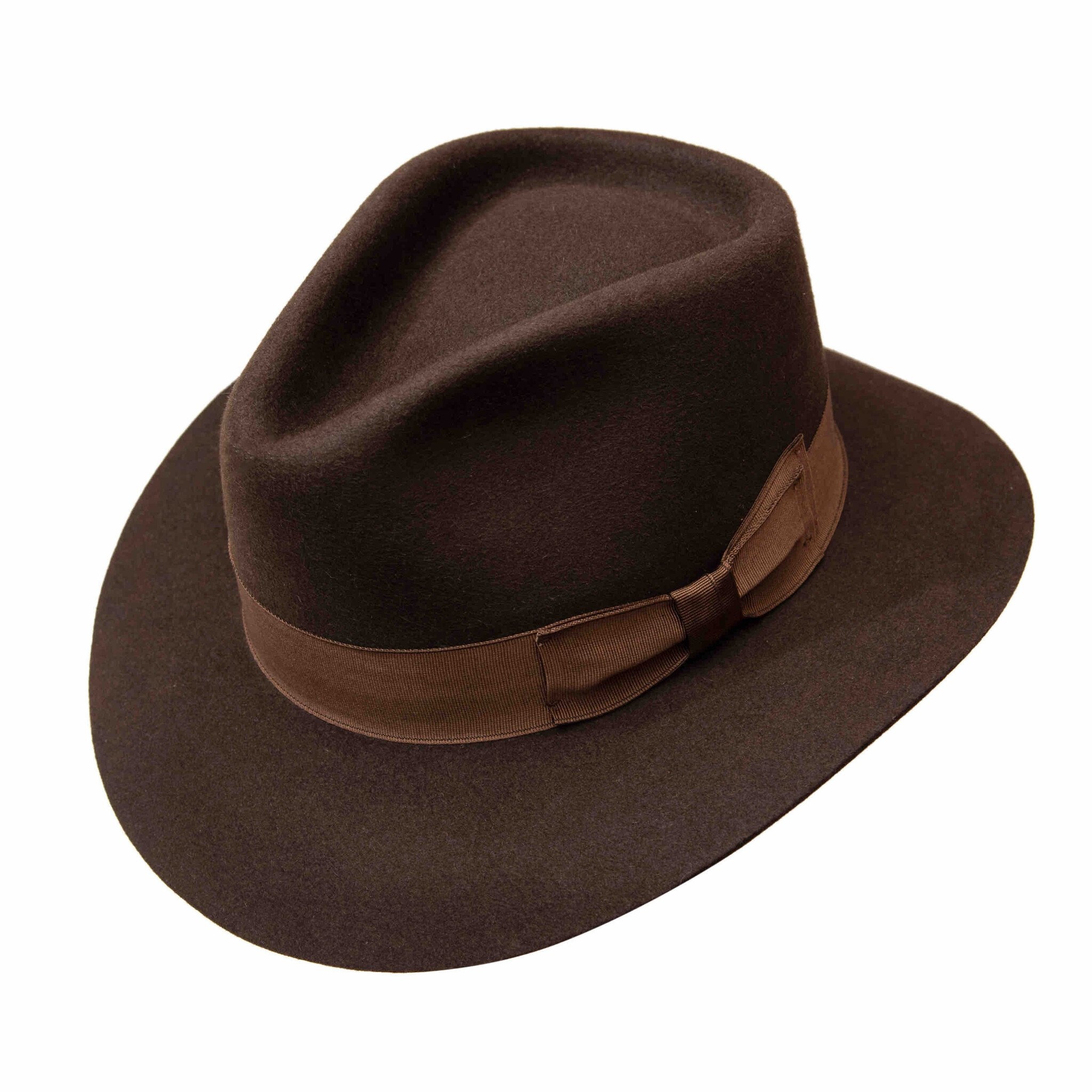
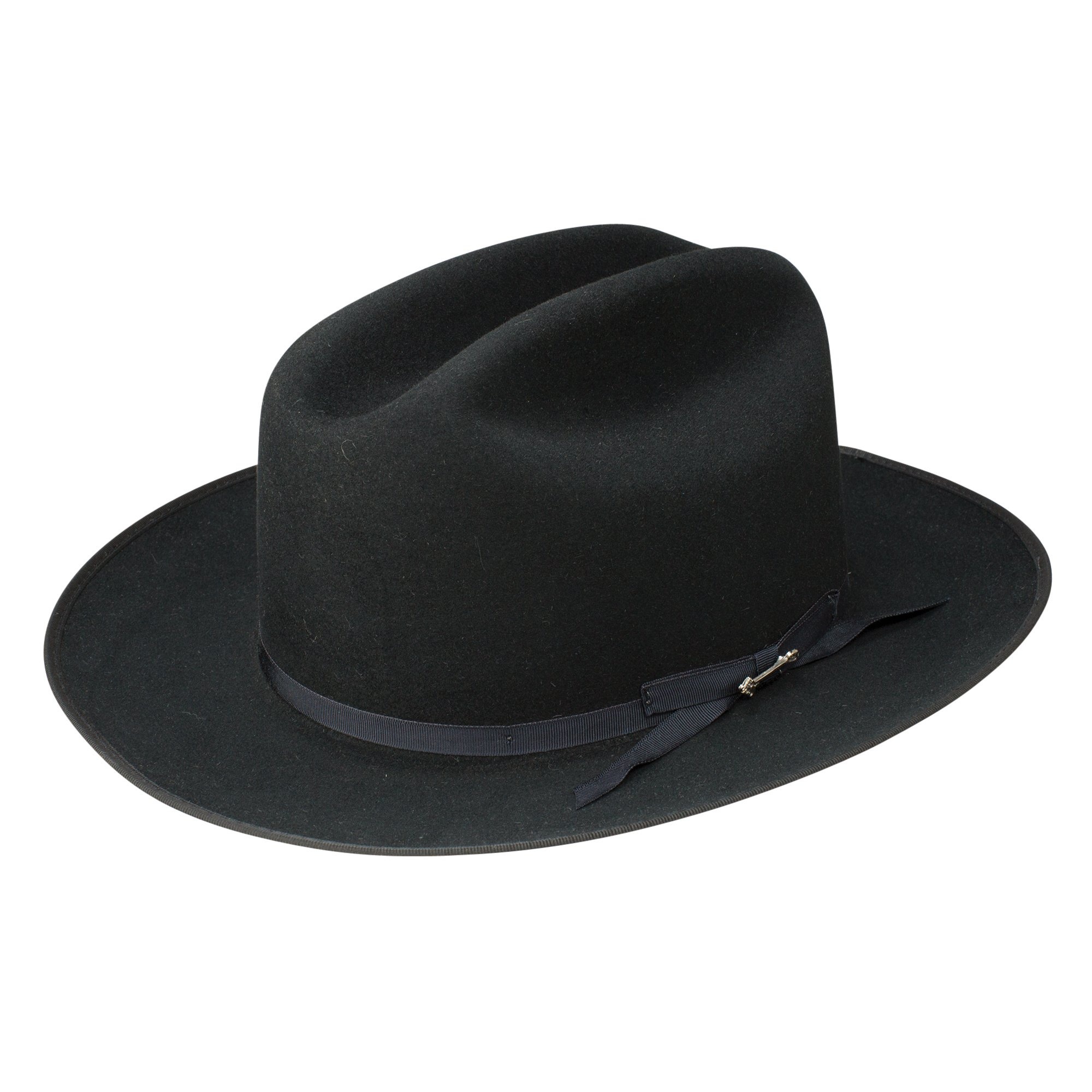
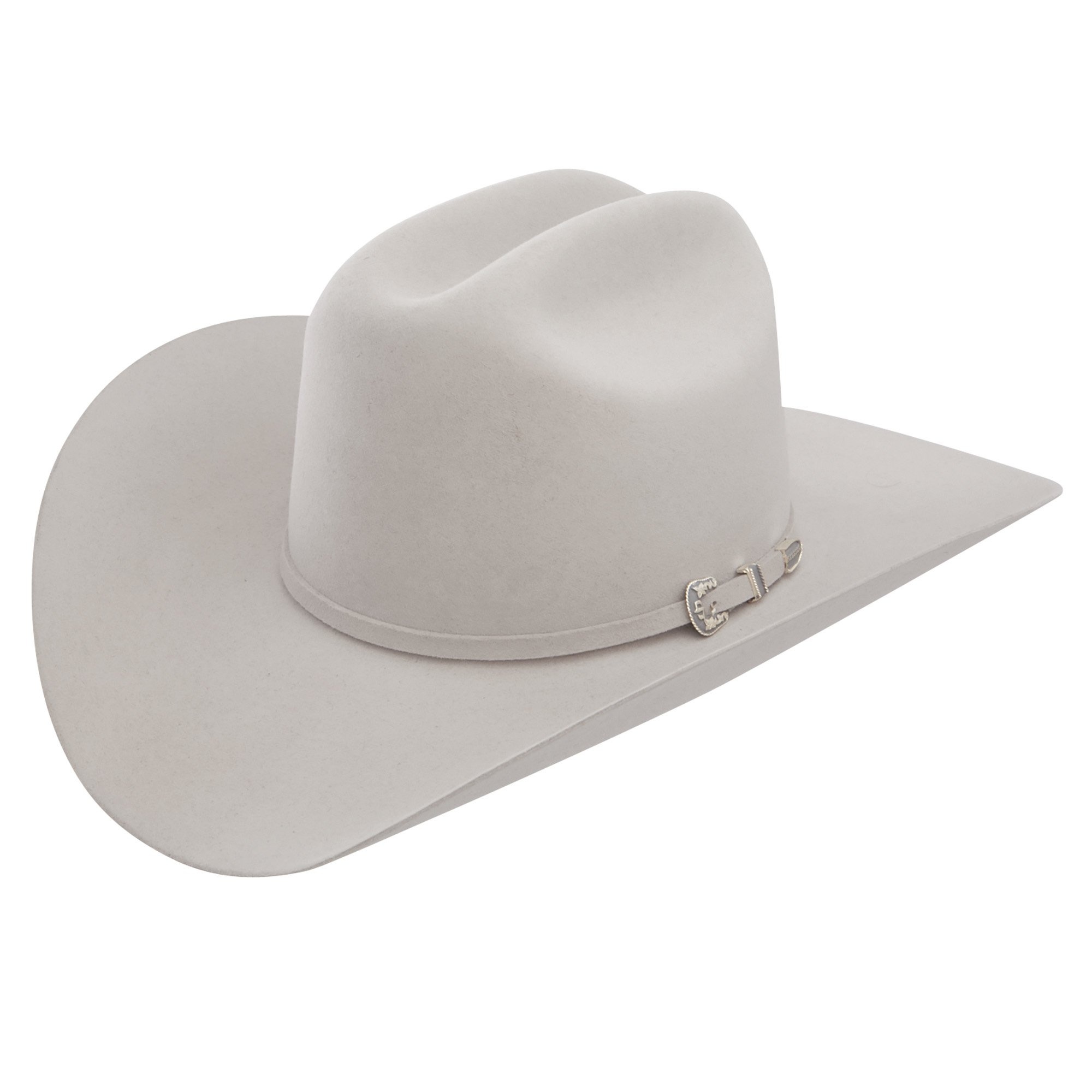
Beaver Felt
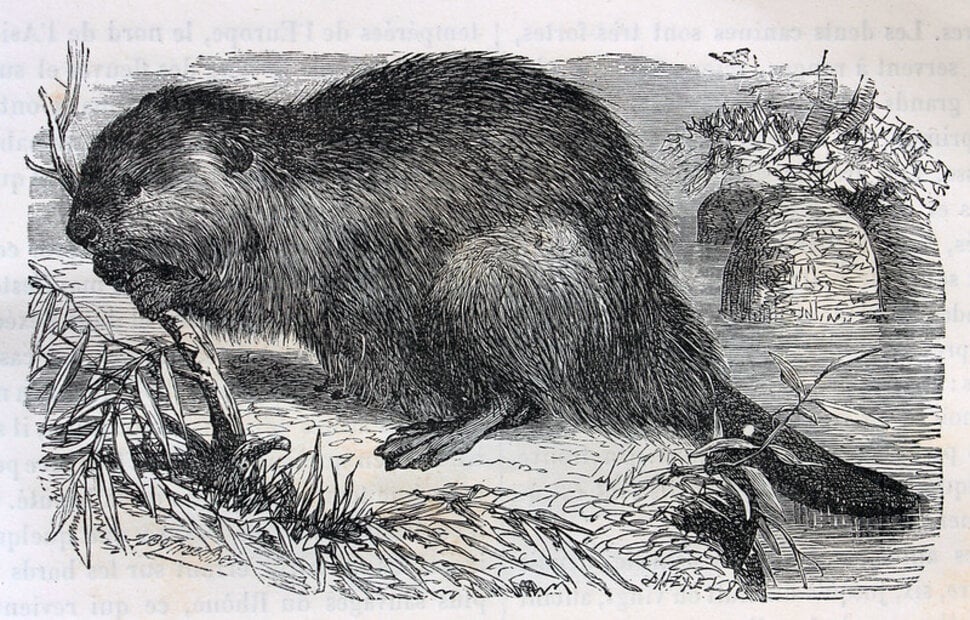
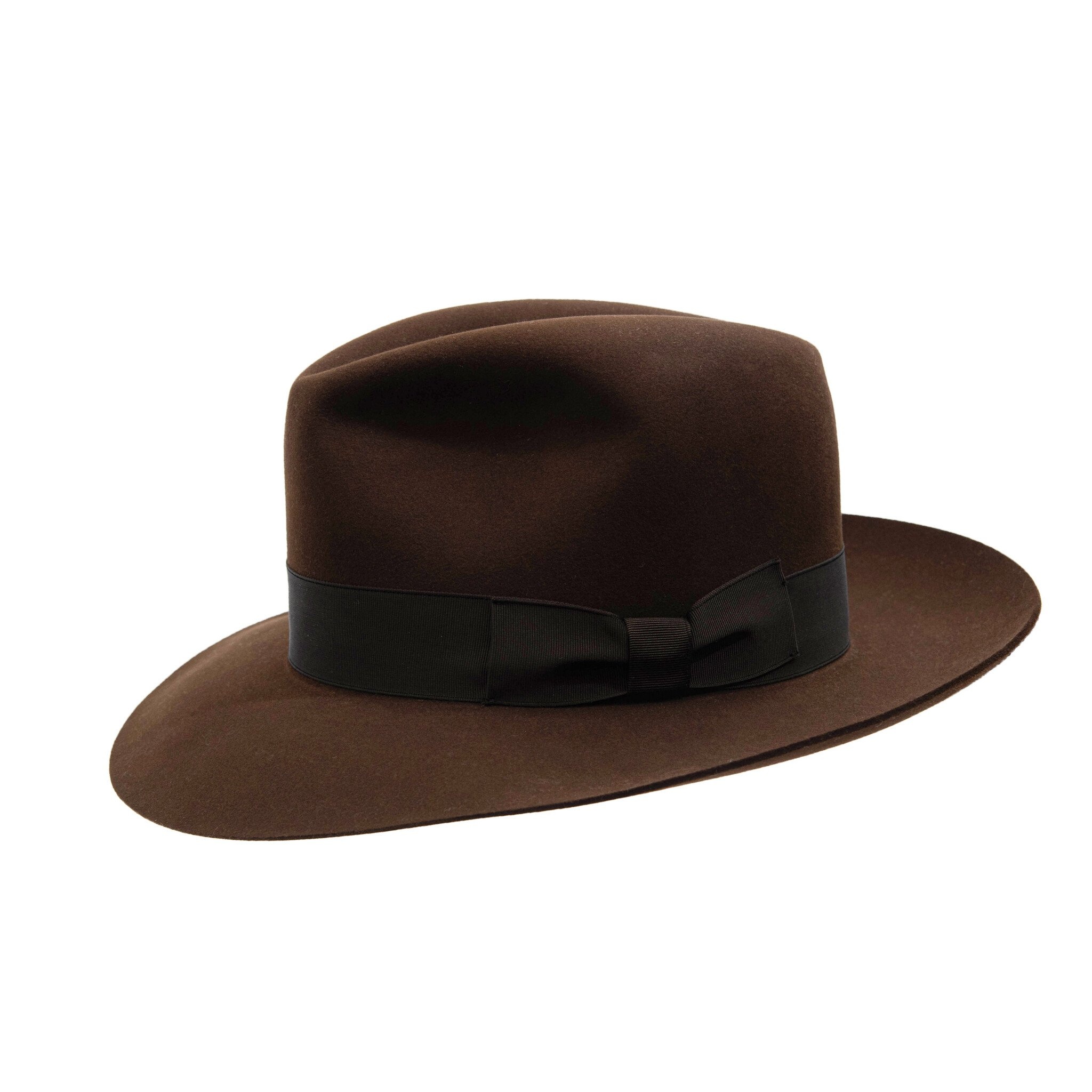
Beaver felt represents the pinnacle of traditional hatmaking. Considered one of the noblest felts, it is made from beaver underfur, which is extremely dense, soft, and naturally water-resistant. In the 17th and 18th centuries, the beaver trade shaped the North American economy, particularly in Canada. This felt is known for exceptional durability, water resistance, and luxurious feel.
Still curious? Read Beaver felt: A treasure of Quebec and Canada
Properties:
Extremely fine, tightly packed fiber, very high density, excellent water resistance, remarkable flexibility
Advantages:
Exceptional longevity, outstanding weather resistance, retains shape for decades, easy to clean and reshape
A beaver hat is an investment — offering durability, natural water resistance, and prestige.
Care: Brush counter clock wiser with a horsehair brush. Always air dry away from heat sources to prevent excessive shrinkage (some minor shrinkage is normal). Once dry, store in a hat box.
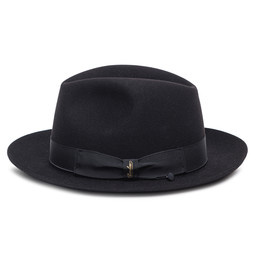
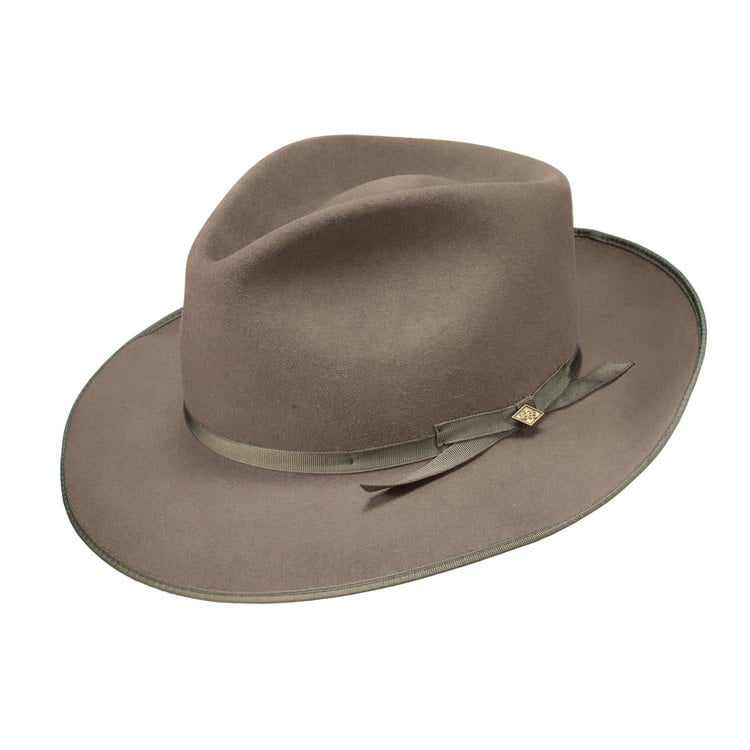
Brands such as Borsalino and Stetson are globally recognized for their high-end rabbit and beaver felts. For high-quality wool felt, Bailey dominates with excellent value.
Felt Blends and Stetson “X” Ratings
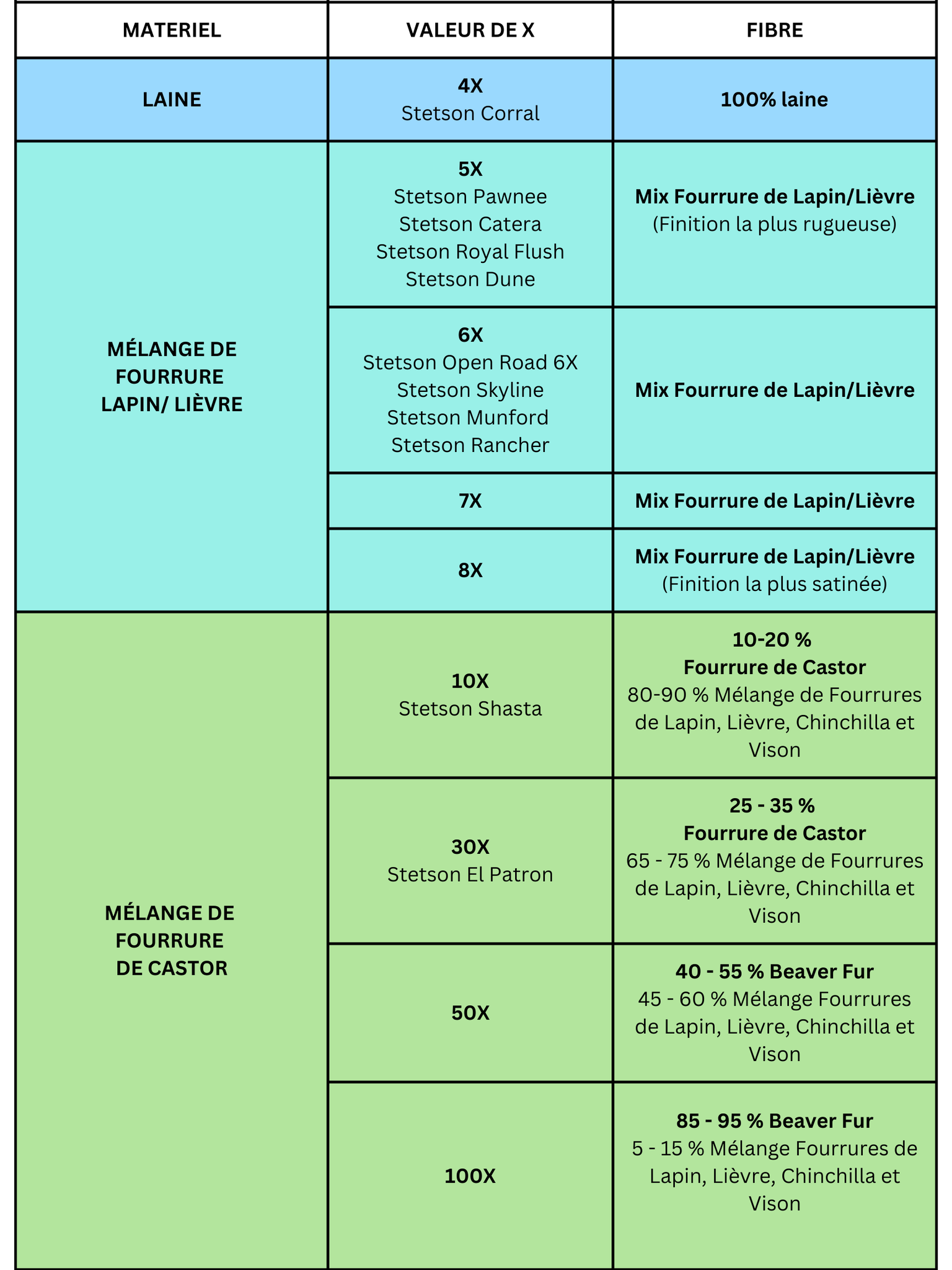
Blends of fibers are common, especially wool-rabbit and rabbit-beaver combinations.
|
X |
10X |
30X |
50X |
100X |
|
Fourrure de castor* |
10% - 20% |
25% - 35% |
40% - 55% |
85% - 95% |
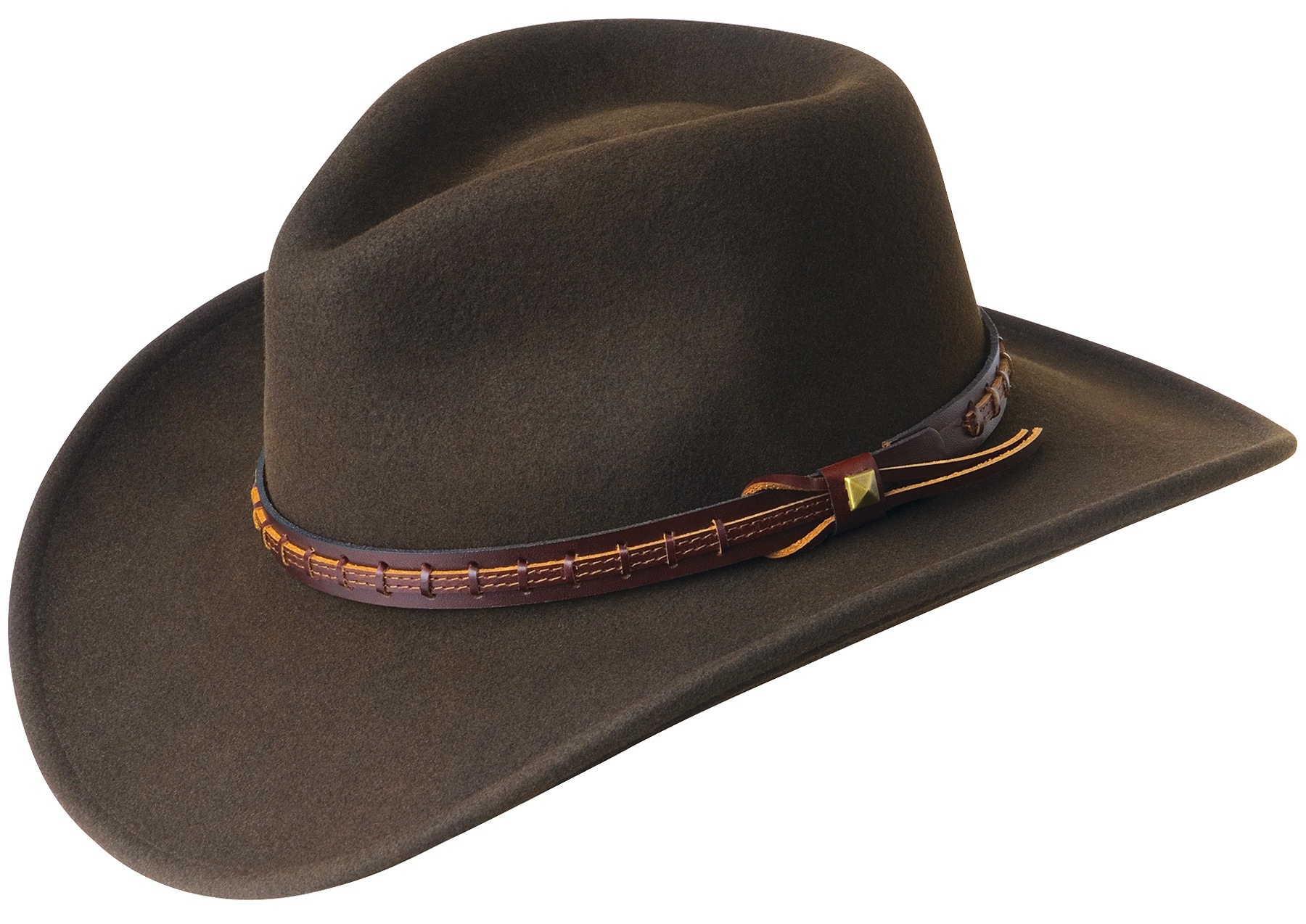
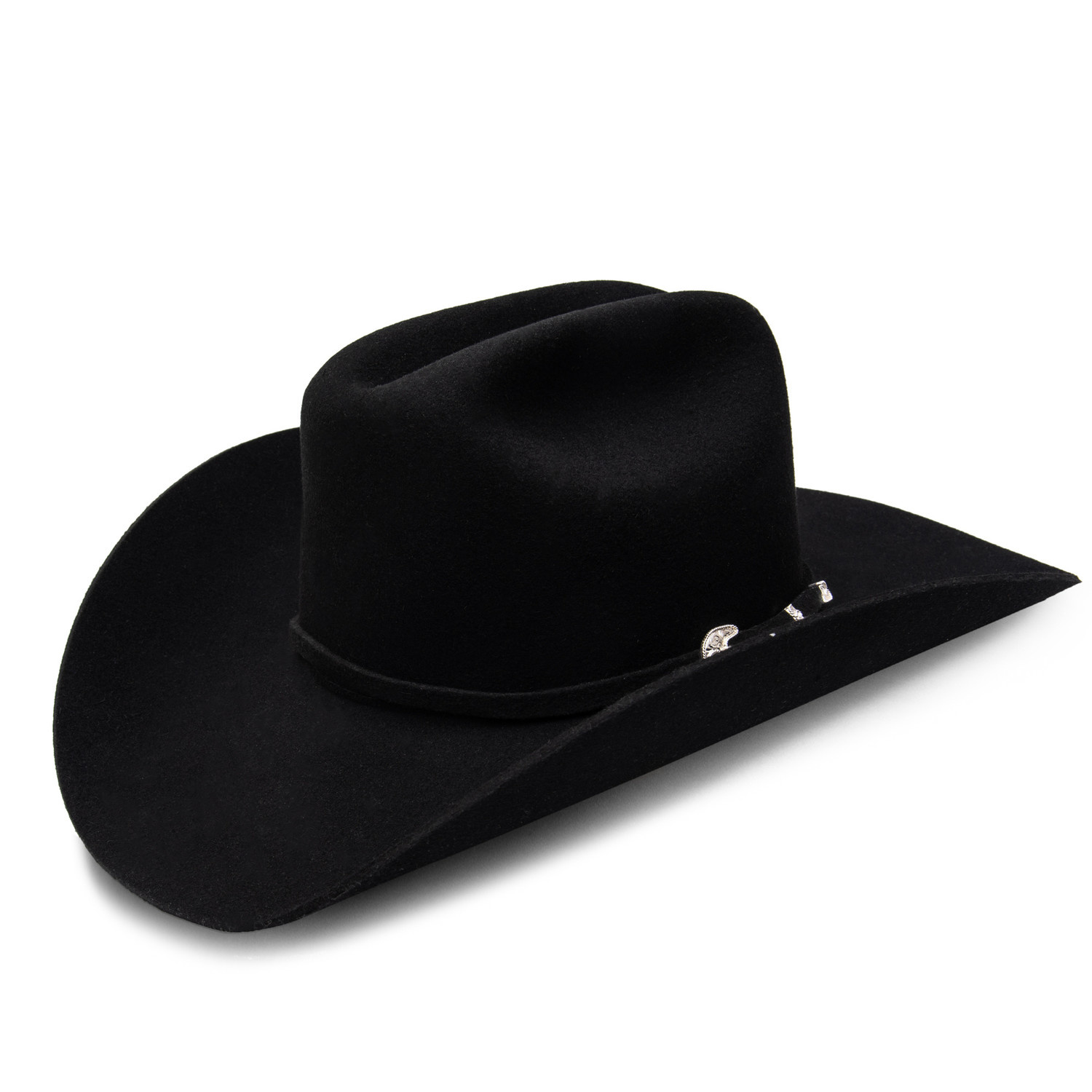
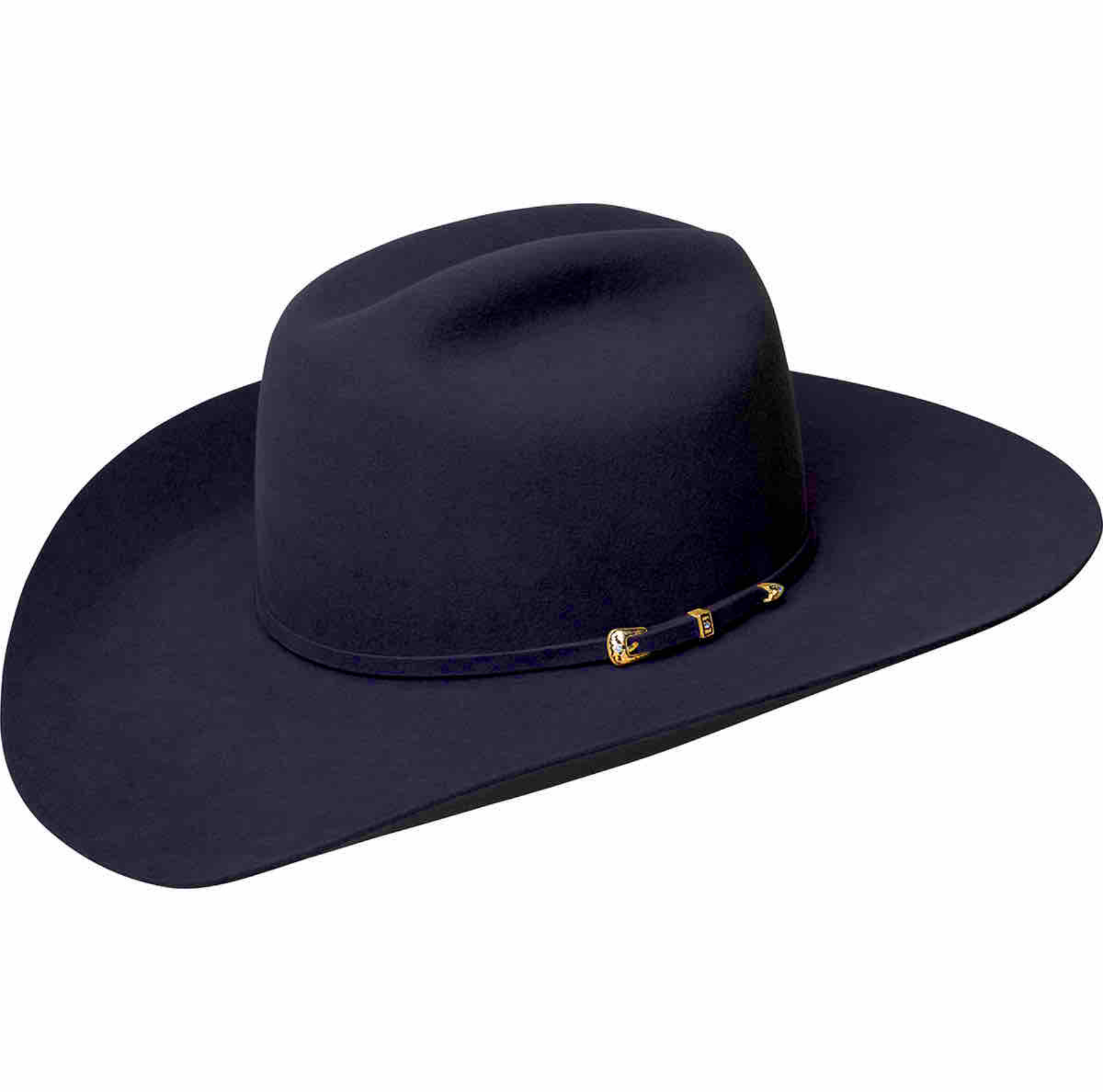
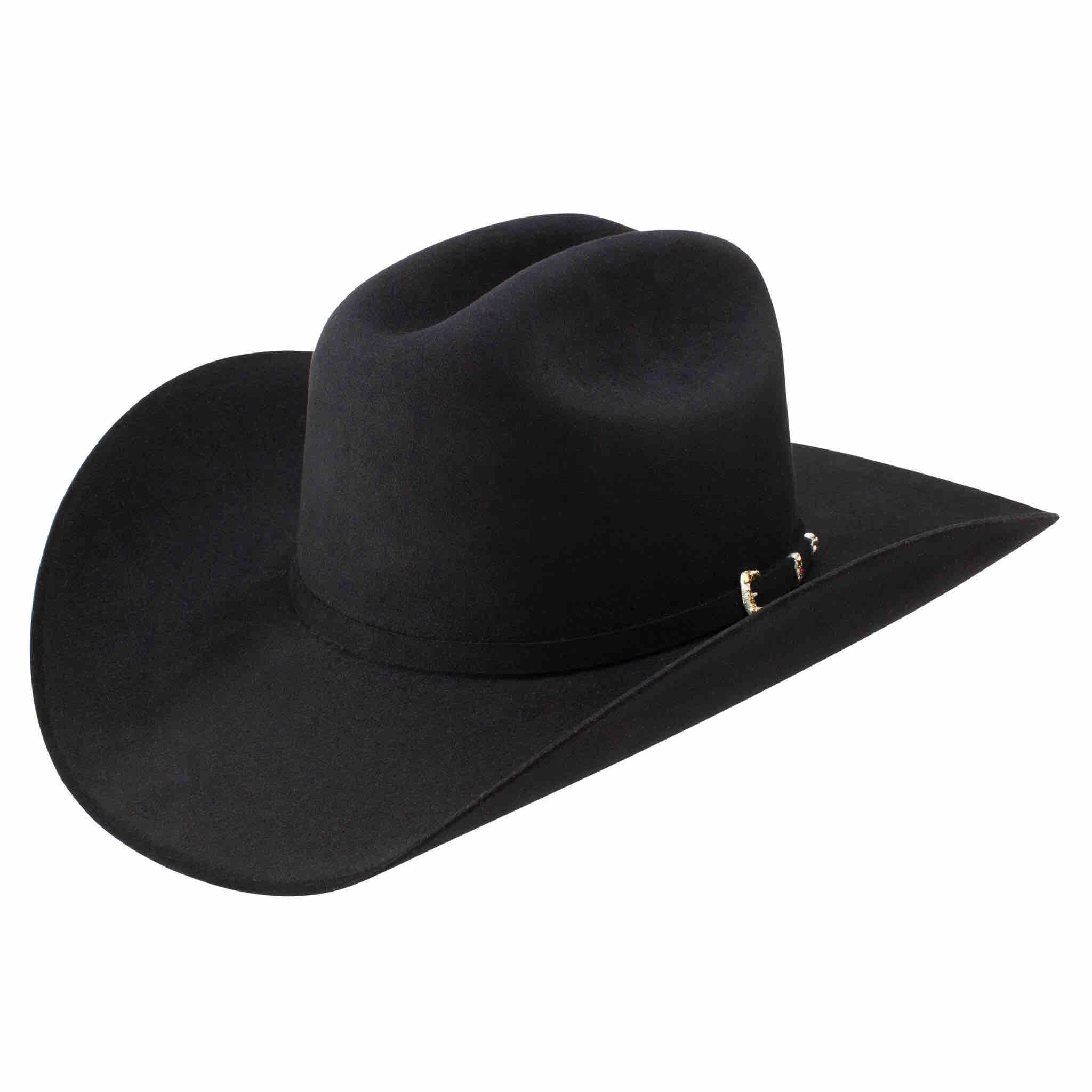
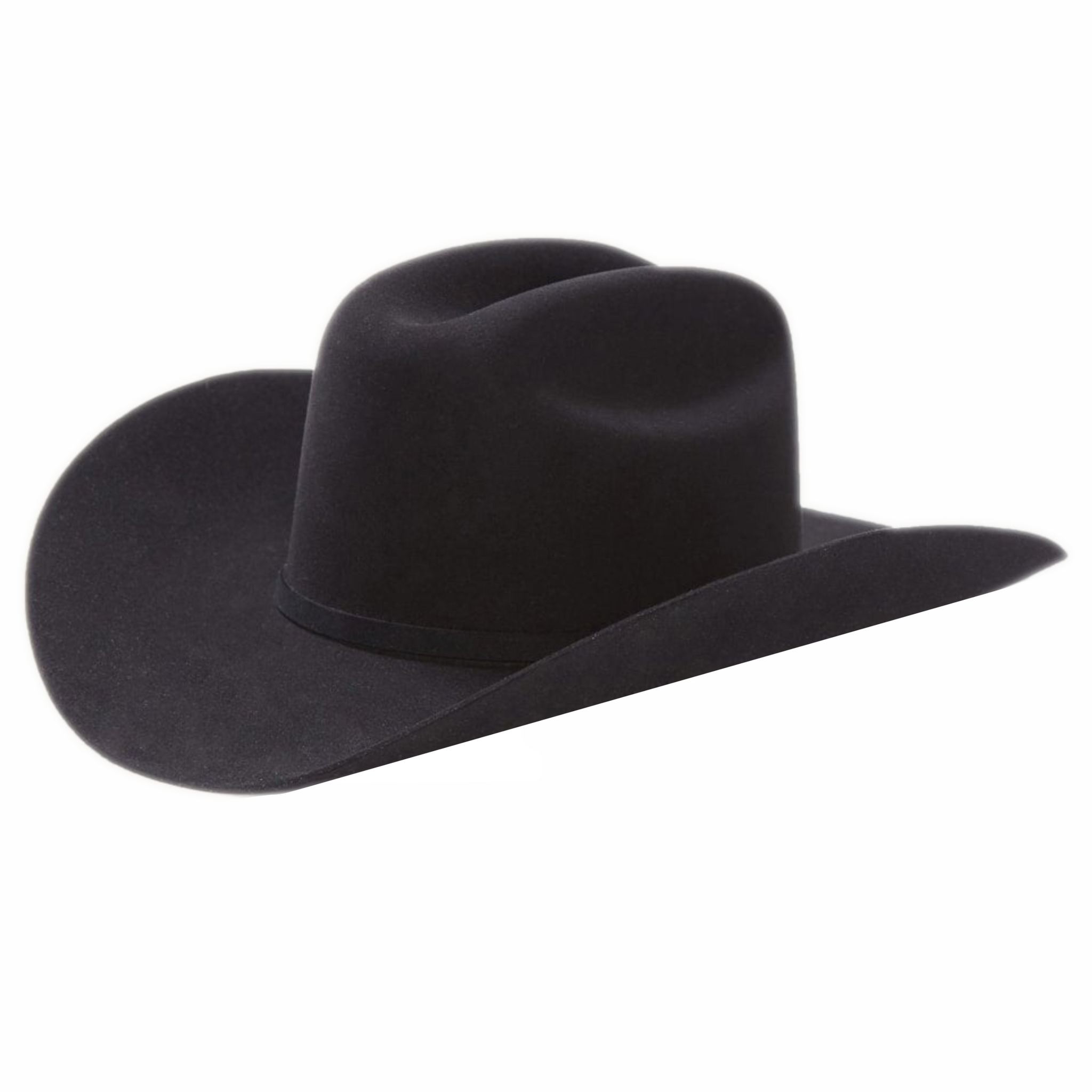
The “X” system in cowboy hats (10X, 30X, 50X, 100X, etc.) generally indicates the proportion of beaver fur. However:
- These figures are not official documentation from Stetson or Hatco.
- They are compiled from enthusiast sources and publicly available information.
- Formulas have changed over time.
- The meaning of “X” varies between brands.
A 100X hat from one brand may not equal the quality of a 100X Stetson, for example.

Leather
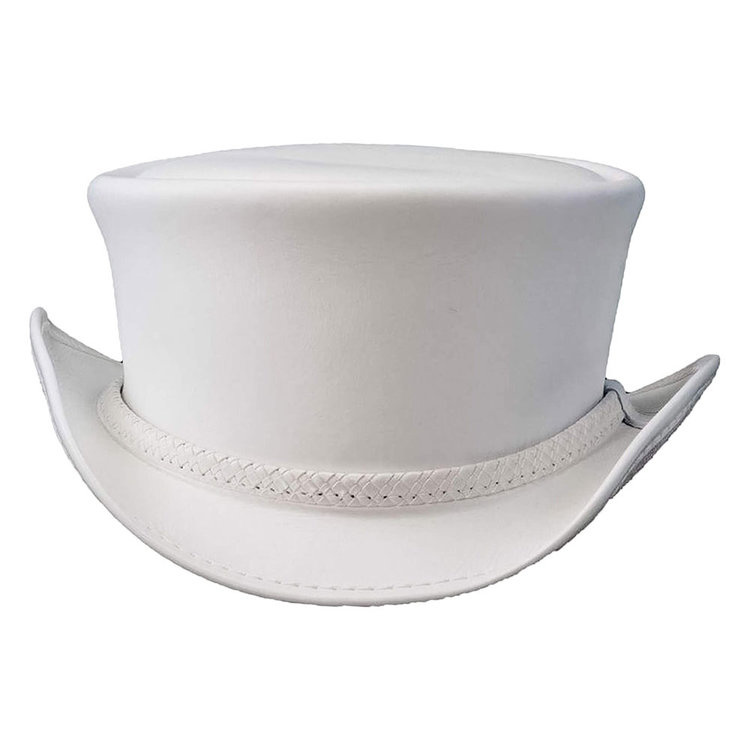
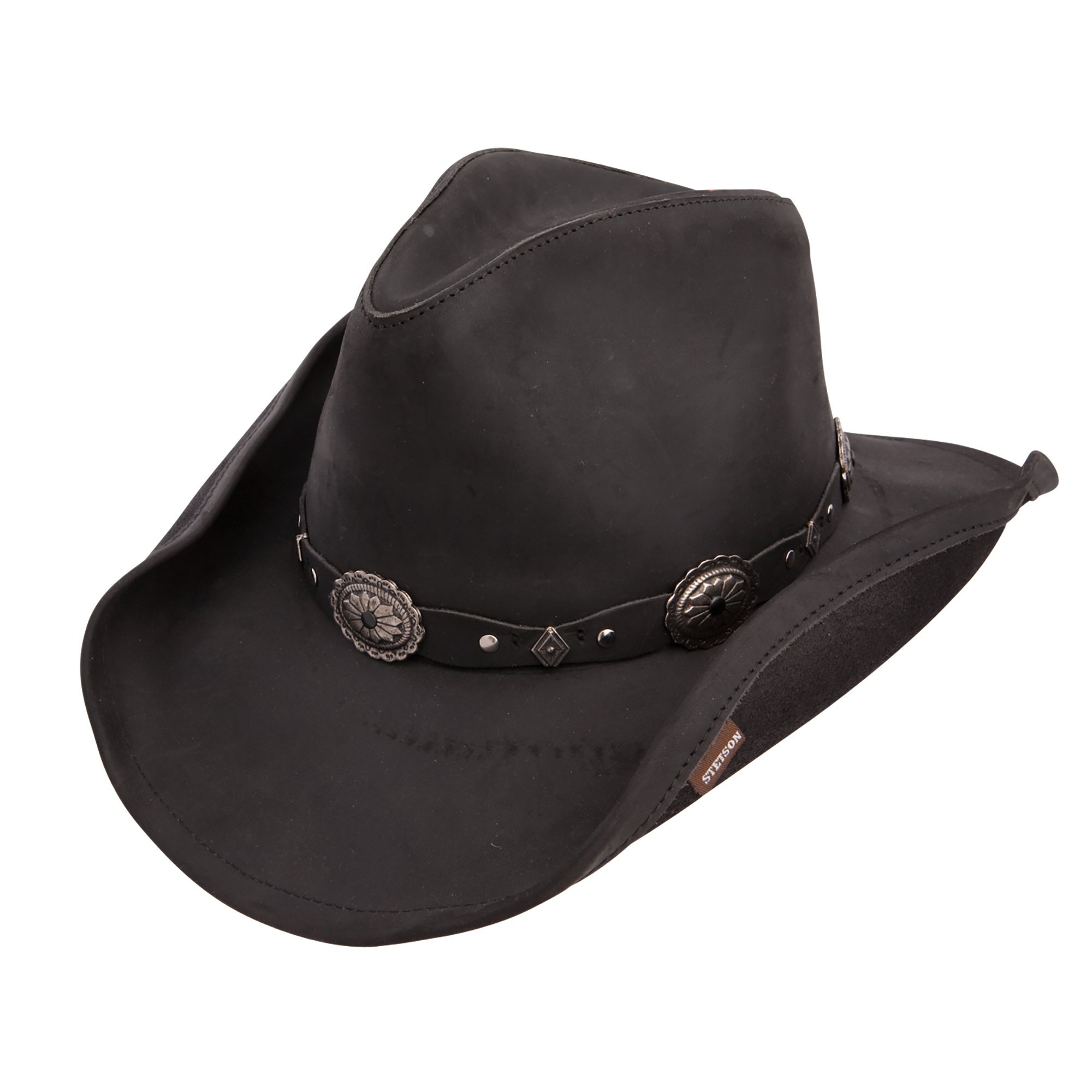
Leather is a robust and timeless material used for centuries in western and utilitarian hats. Made from treated and tanned animal hide, it offers excellent resistance to the elements while developing a unique patina over time. Strong and protective, leather combines character and functionality.
Properties:
Highly durable, wind-resistant, firm structure, develops natural patina
Advantages:
Excellent longevity, authentic style, good resistance to outdoor conditions
Limitations:
Heavier than straw or felt, less breathable in heat, requires maintenance
Leather is ideal for those seeking a rugged, durable hat full of character. Find our Leather Hat Care Products here. Do not confuse with suede, which is not water-resistant. Brands known for excellent leather hats include American Hat Makers (Steampunk styles) and Barmah (Australian kangaroo leather, ideal for outdoor use).

Straw Hats: Lightness and Breathability for Summer

Straw hats are designed to provide ventilation and sun protection during warm seasons.
Panama (Toquilla – Carludovica palmata)
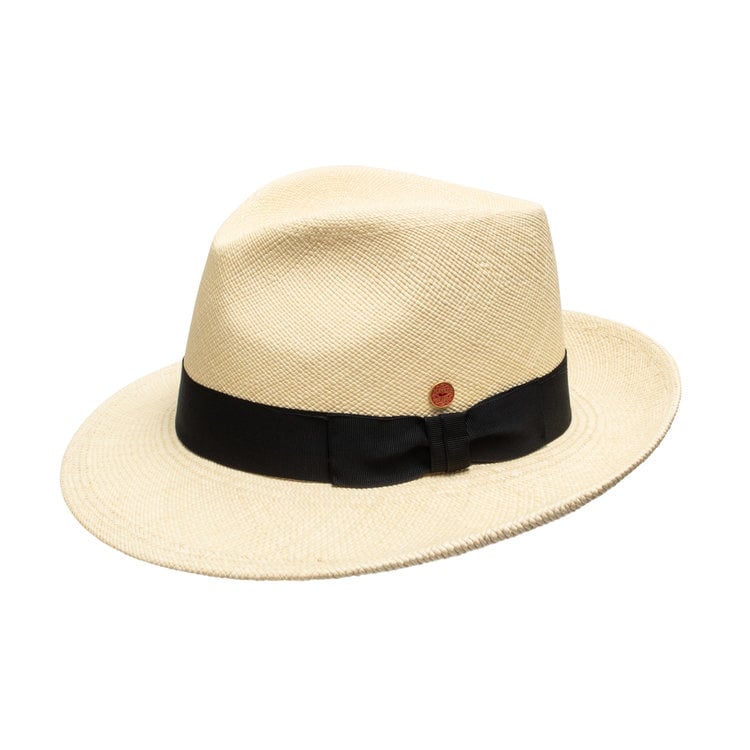
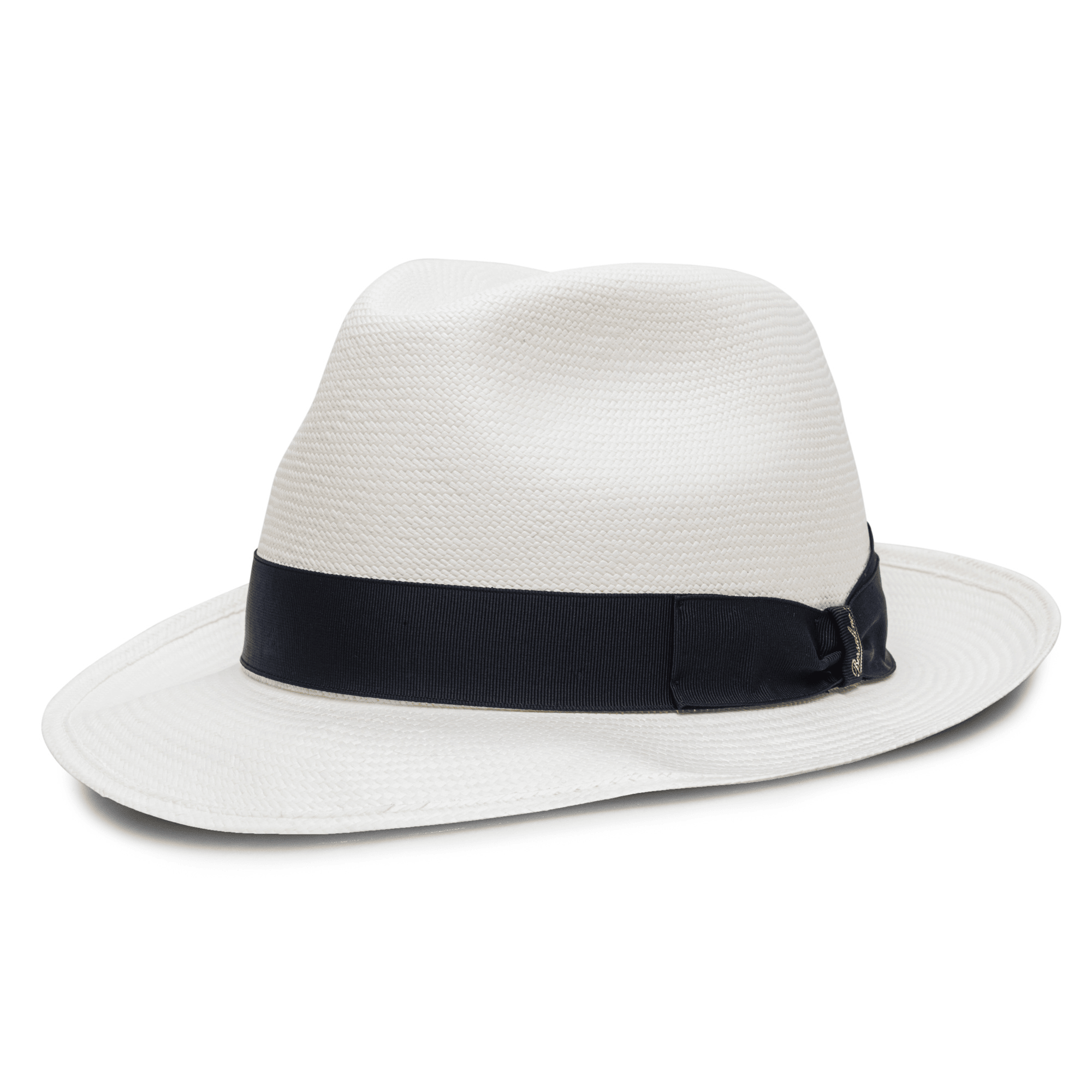
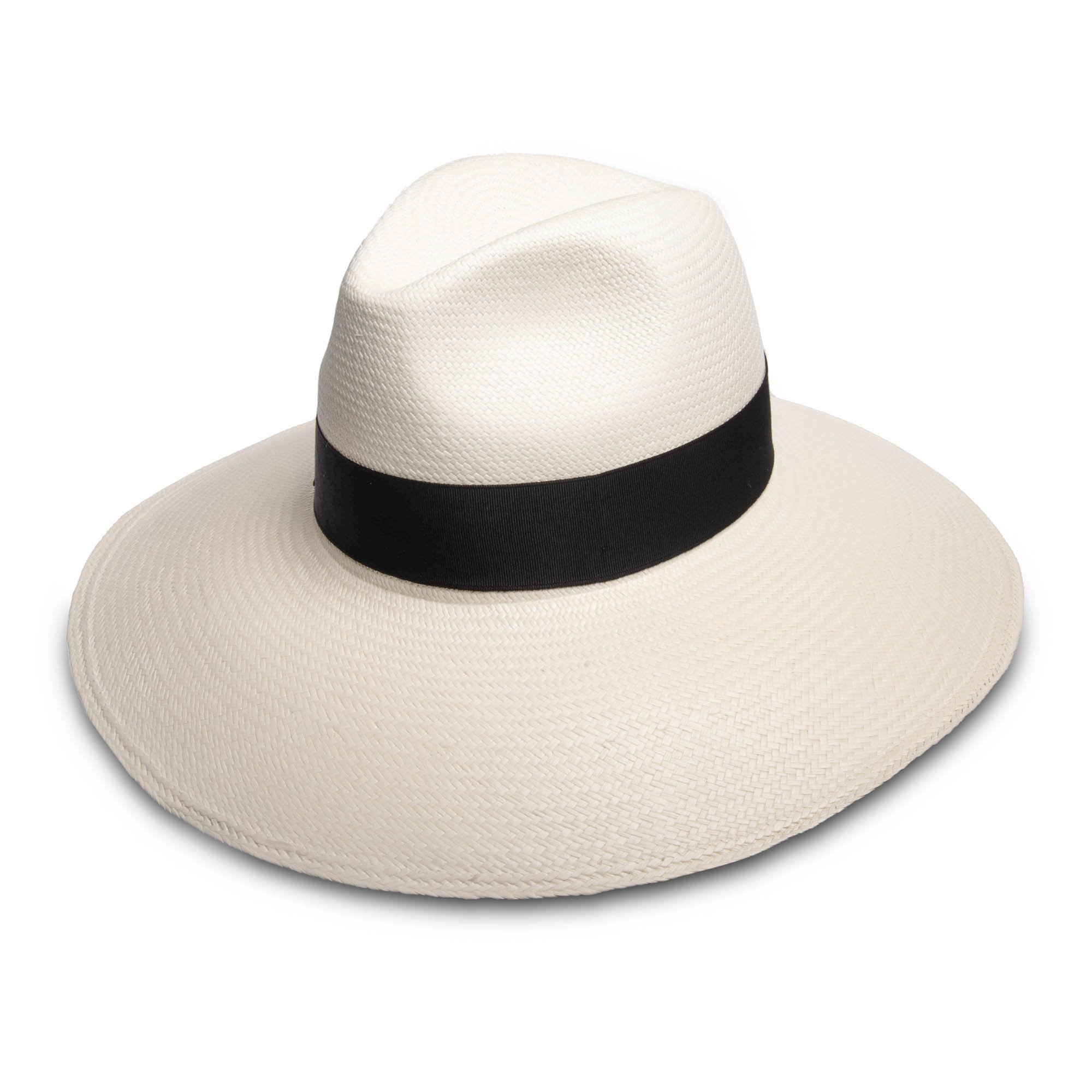
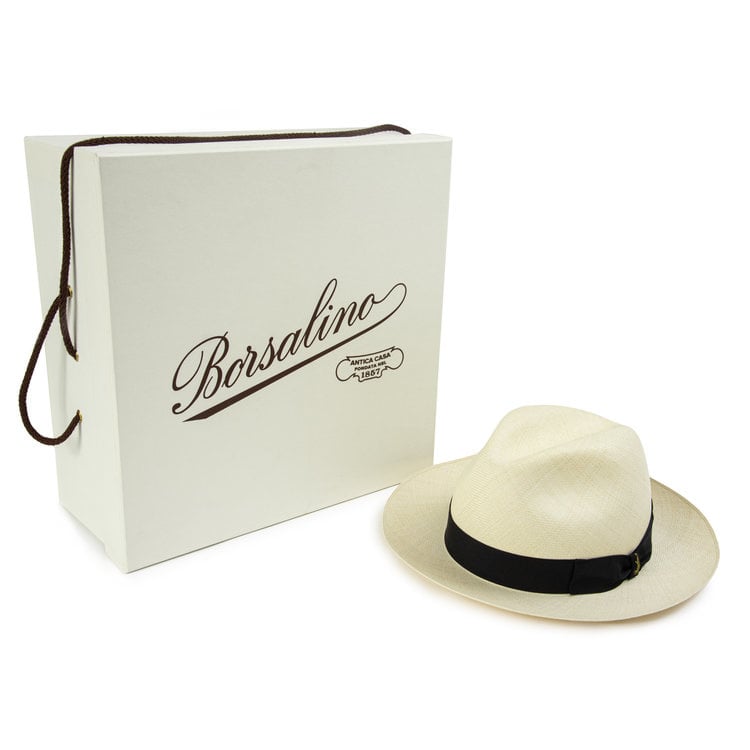
A true Panama hat is handwoven from fibers of the Carludovica palmata plant, known as “paja toquilla,” grown in South America. The large leaves are split into fine fibers, dried, sometimes bleached, and intricately woven. Despite the name "Panama", these hats are hand woven in Ecuador. Popularized in the early 20th century during the construction of the Panama Canal, it became a symbol of summer elegance.
What is a Panama Montecristi?
It is made of exceptionally fine straw by master weavers with decades of experience in the city of Montecristi. This city and Manibi province are considered the birthplace of the finest Panama hats in the world. It can take many weeks, even months to produce a single hat. It's fine, thight and regular weaving showcase generations of knowledge and expertise. It is the highest grade of Panama hat. Very durable for its delicacy. High-quality Montecristi hats appear almost seamless, with an even, uniform weave through the crown and brim. They are prized for craftsmanship, finesse and rarity. The finer the weave (mesured in "weaves per inch"), the more pretigious and valuable the hat is, as it takes more skill and time to produce. It also offers incredible UV protection from the sun and is very light at the same time.
Properties:
Flexible yet strong fiber, exceptional breathability, remarkable lightness, natural elegance
The finer the weave, the softer and more prestigious the hat.
Warning: Does not tolerate water well and may deform if mishandled. Always handle with both hands by the brim — never pinch the front of the crown.
Panama represents summer refinement and artisanal luxury.
Shantung
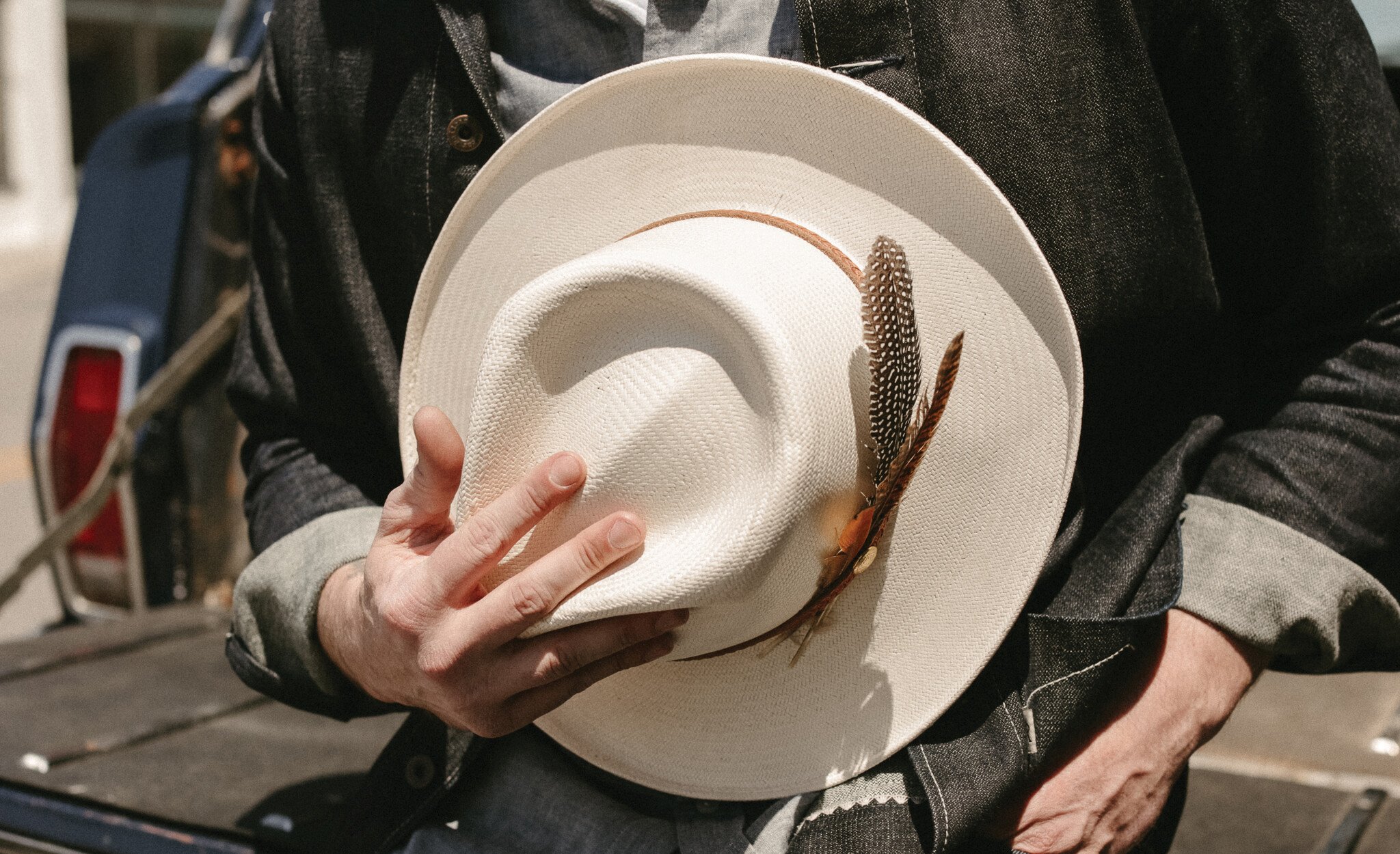
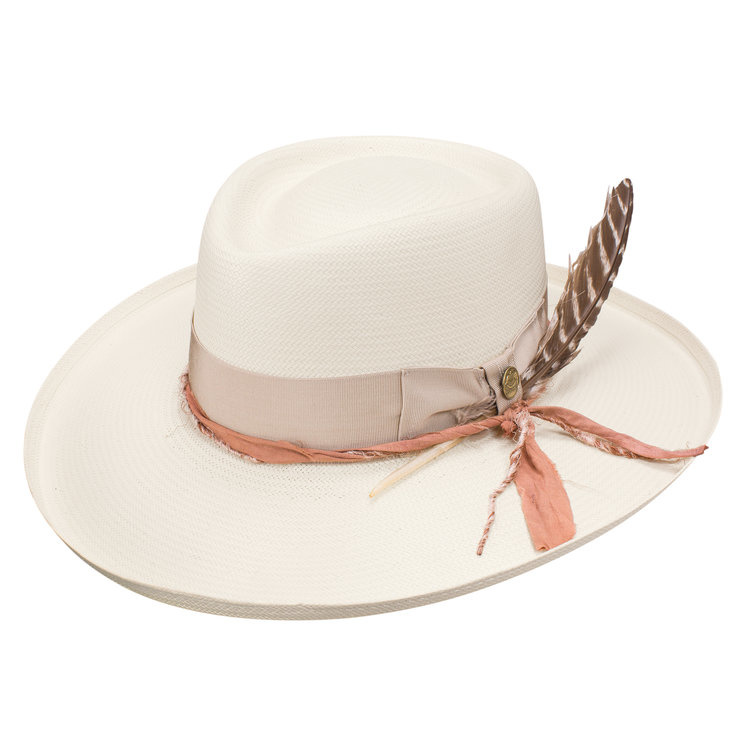
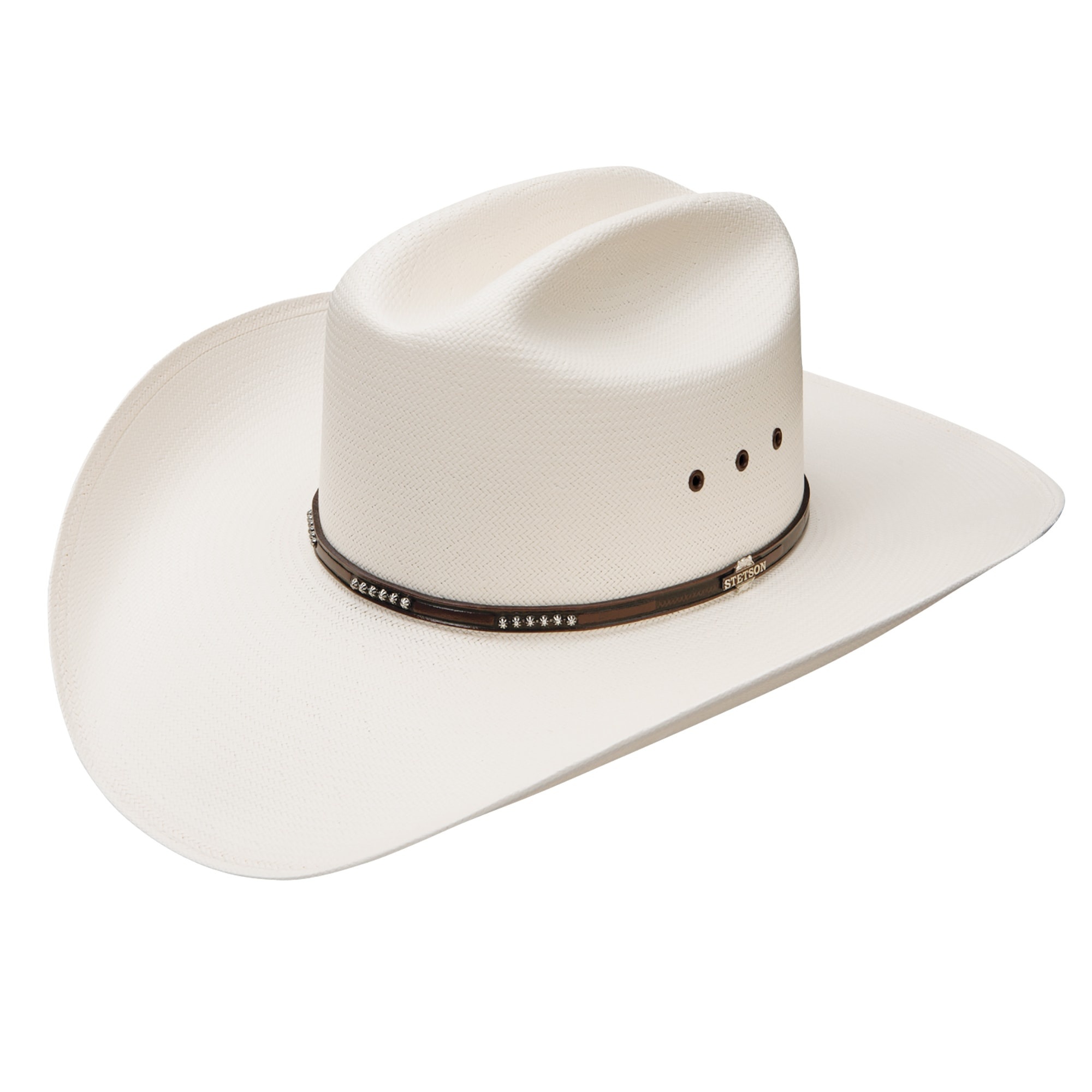
Shantung is generally made from lacquered paper pulp or treated fibers. It is not a natural straw but a twisted paper fiber coated for durability. Developed to mimic the look of Panama at a lower cost, it is stiffer and more structured.
Properties:
More structured appearance, good rigidity, good shape retention
Popular for summer western hats and structured fedoras.
Milan Straw
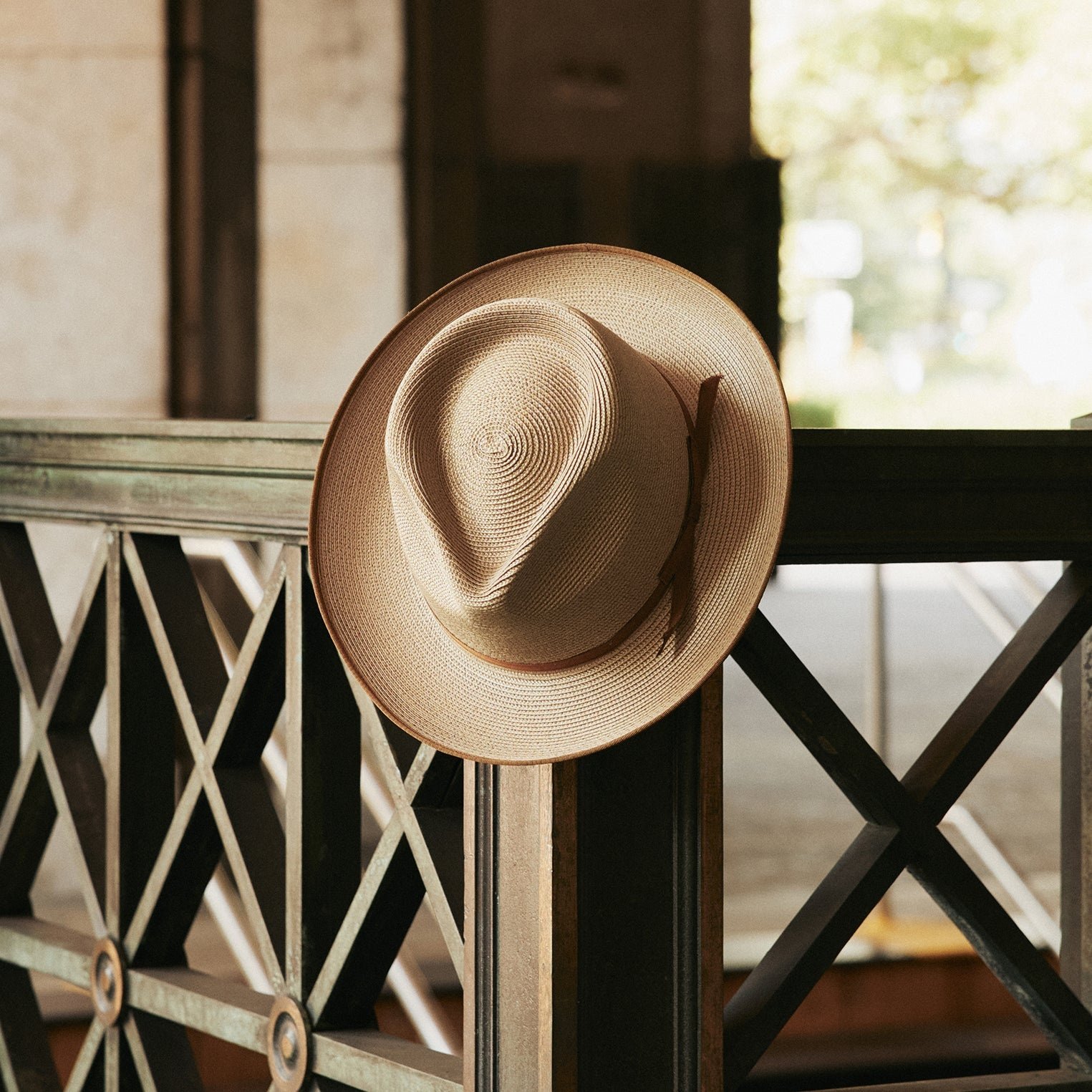
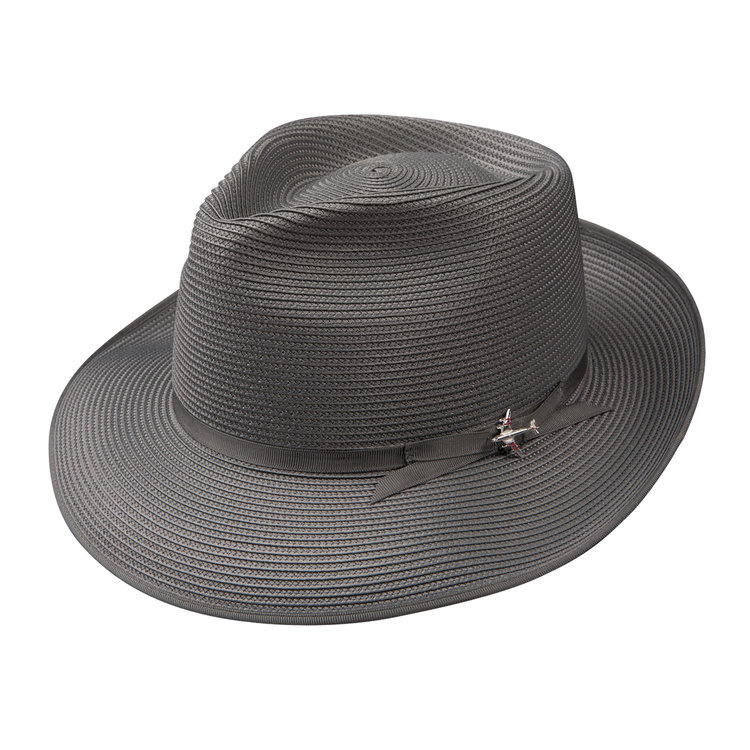
Milan straw is emblematic of high-end summer hats. Unlike traditional woven straw, it consists of fine braids sewn in a spiral, creating a smooth, elegant surface. Originating in Italy, it is lightweight, breathable, and refined. Brands like Stetson and Bailey use it for sophisticated summer fedoras.
Properties:
Breathable and lightweight, smooth elegant texture, good structure, comfortable in heat
Limitations:
Less crush-resistant than felt, sensitive to excessive moisture
Perfect for a chic and sophisticated summer look.
Paper Straw
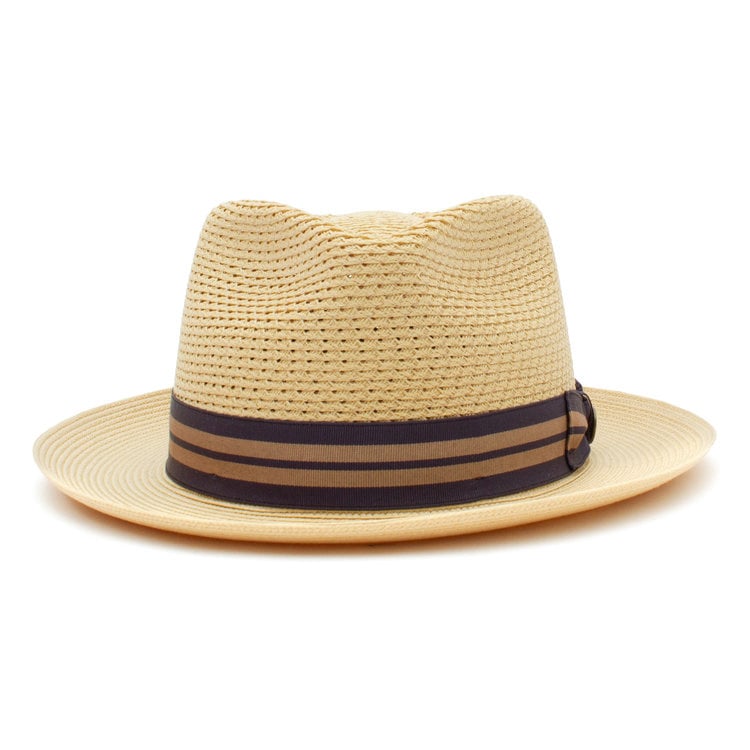
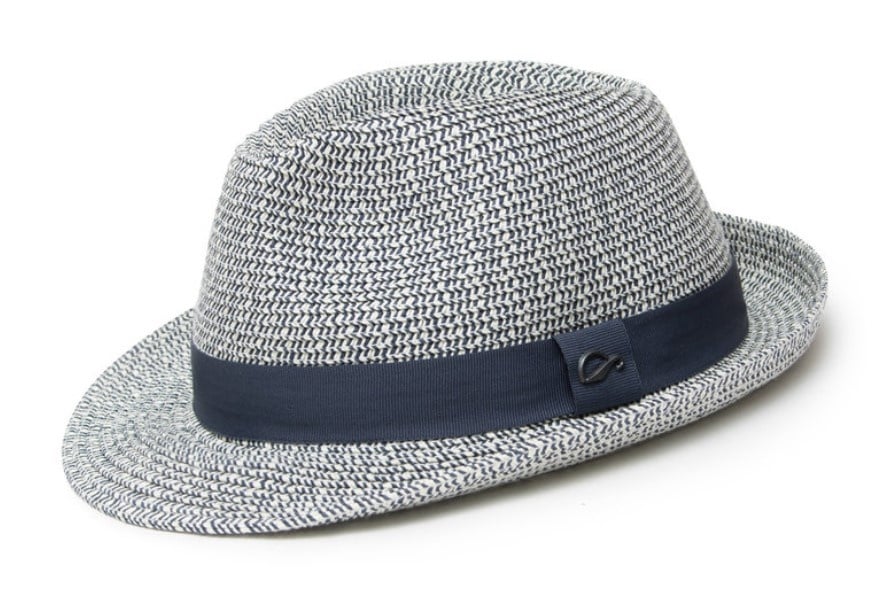
Paper straw is a lightweight and affordable alternative made from cellulose fibers spun into threads and braided. It allows for various textures and colors but is less water-resistant and less durable.
Properties:
Very lightweight, flexible, affordable
Limitations:
Fragile, not water-resistant, limited durability
Best suited for occasional wear in dry climates.
To learn more, visit our blogs the best summer hats by Henri Henri, What's the best hat colour for sun protection? Or discover our vast collection of summer hats for men and women.
Cap Materials: Tradition and Performance
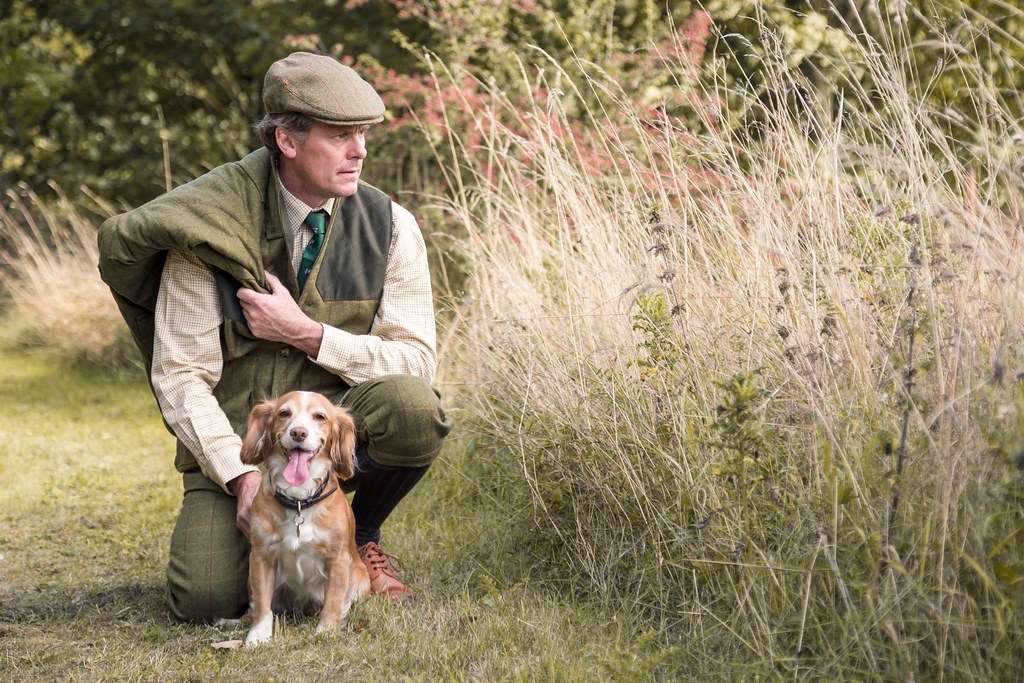
Caps use a wide variety of textiles depending on the season.
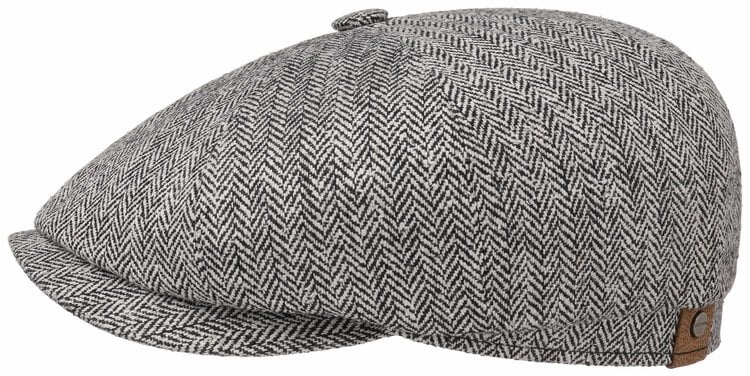
Tweeds: Donegal and Harris Tweed
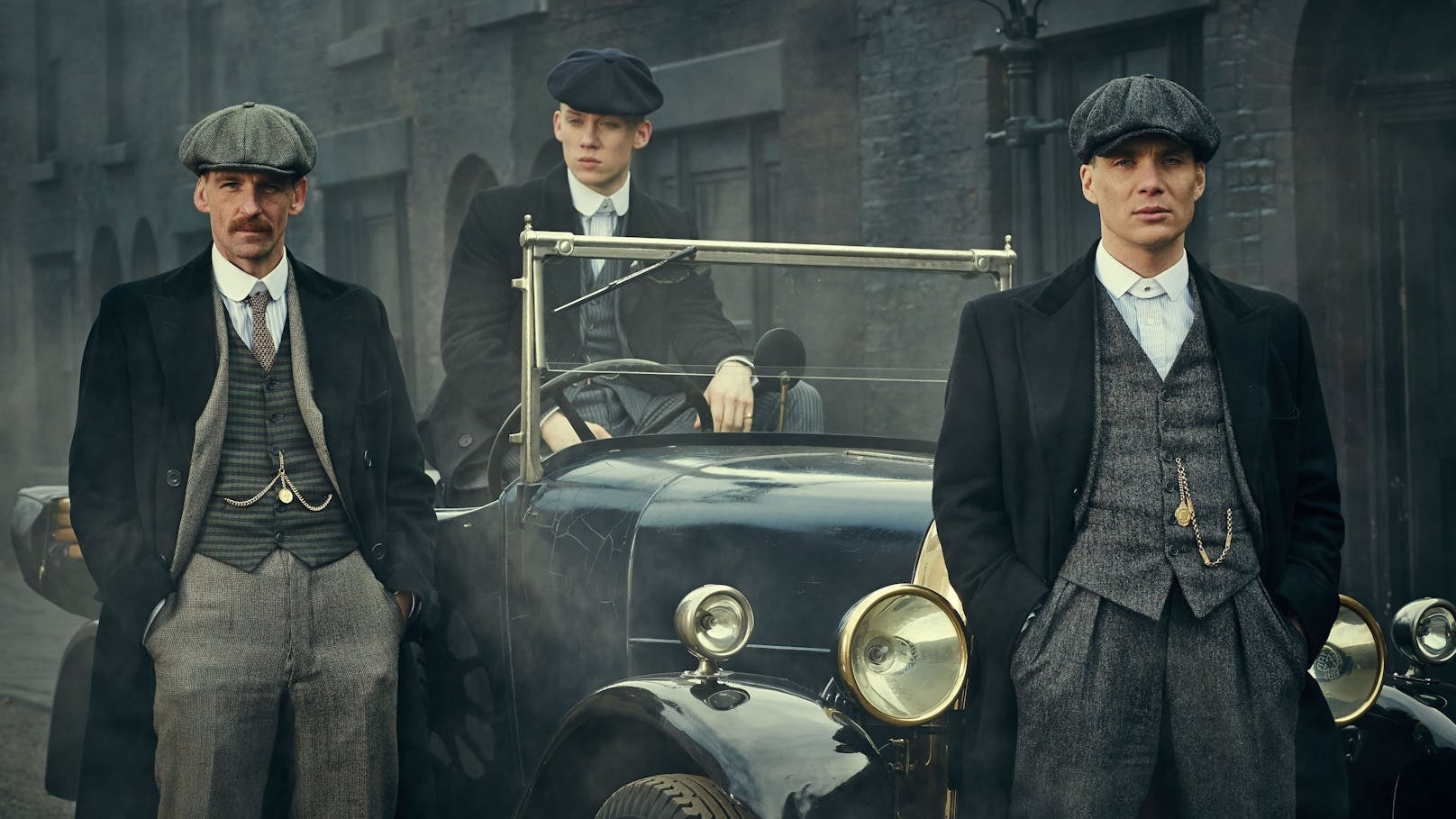
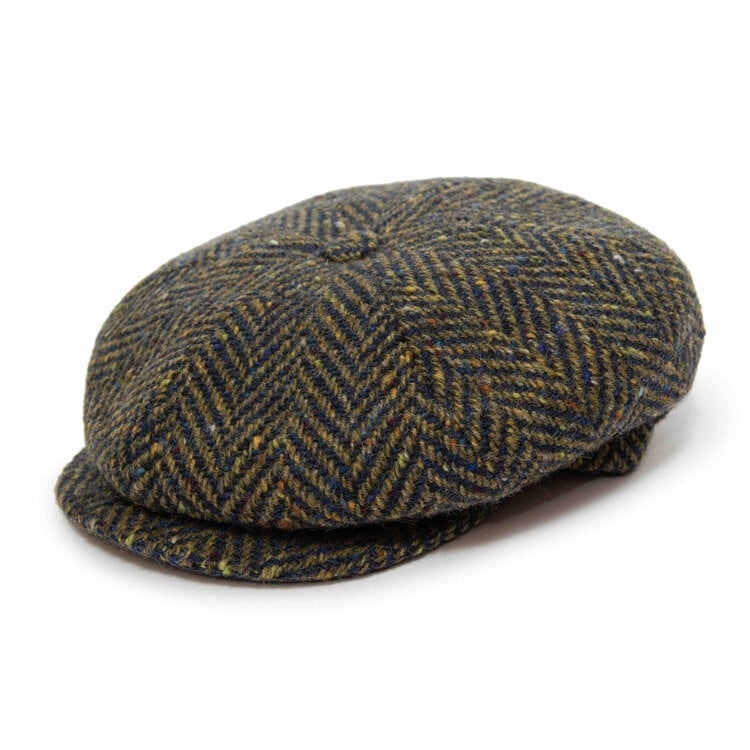
Donegal Tweed
From County Donegal in Ireland, woven from virgin wool with colorful “neps.” Designed for Ireland’s harsh climate.
Properties:
100% virgin wool, rustic texture, natural warmth, breathable
Perfect for fall and winter.
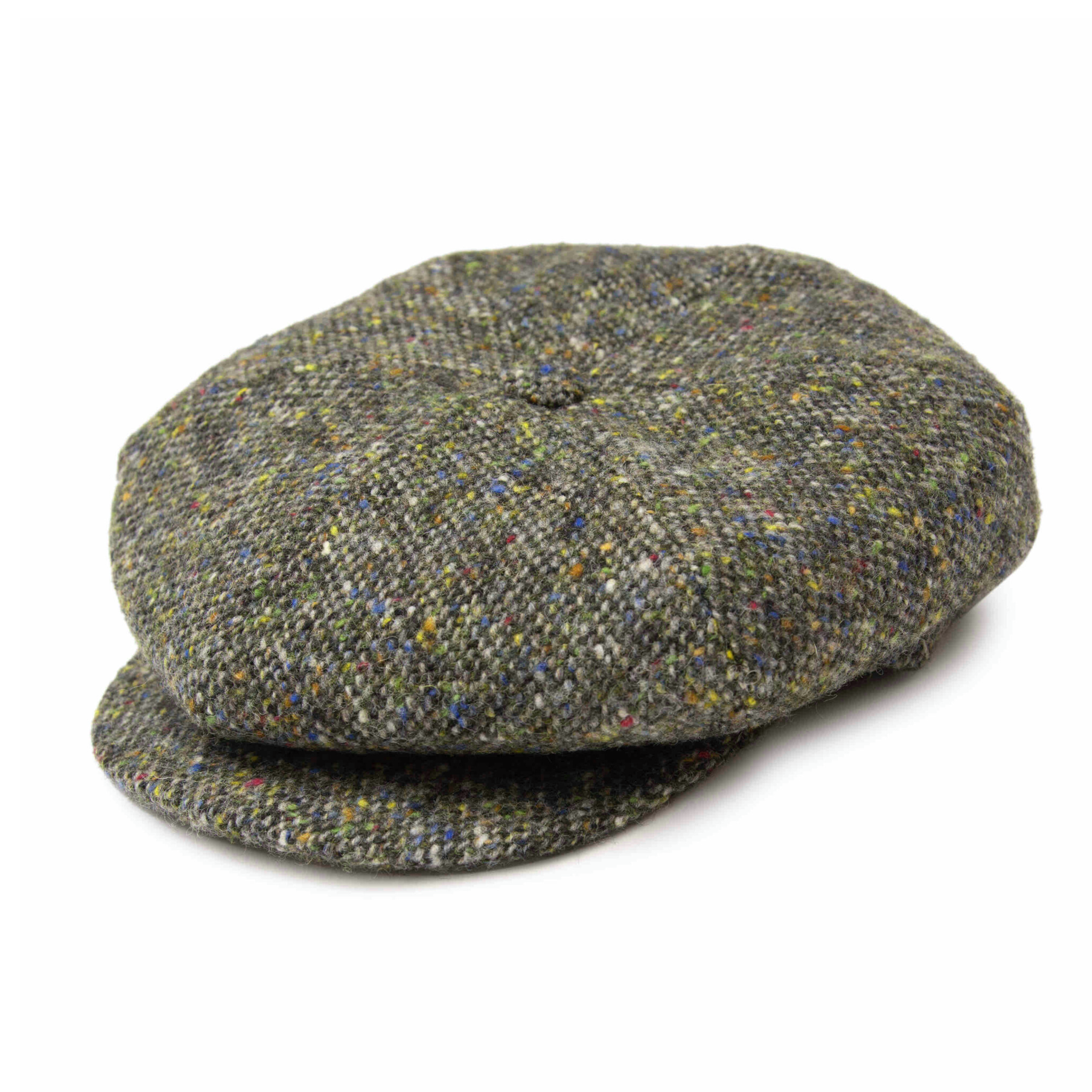
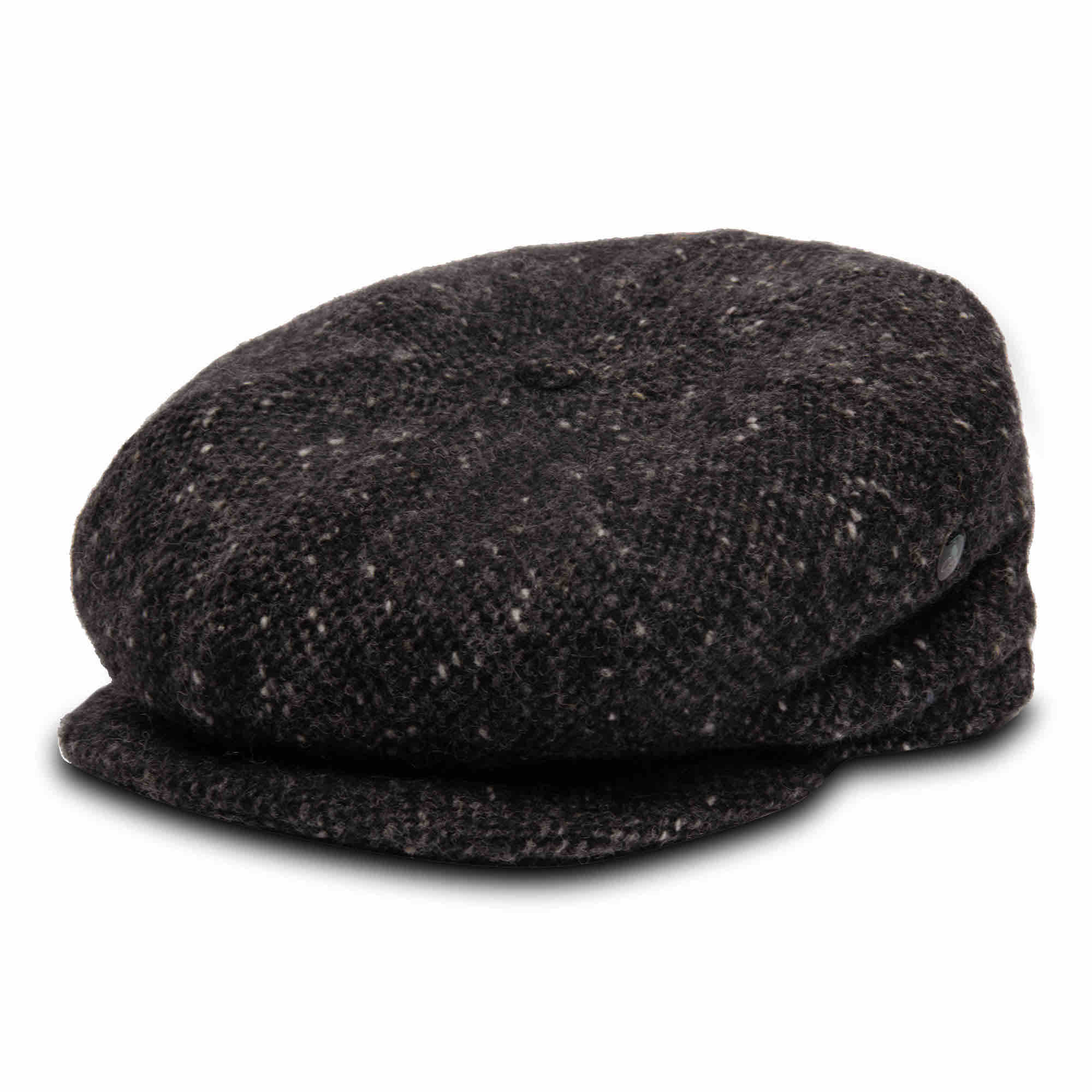
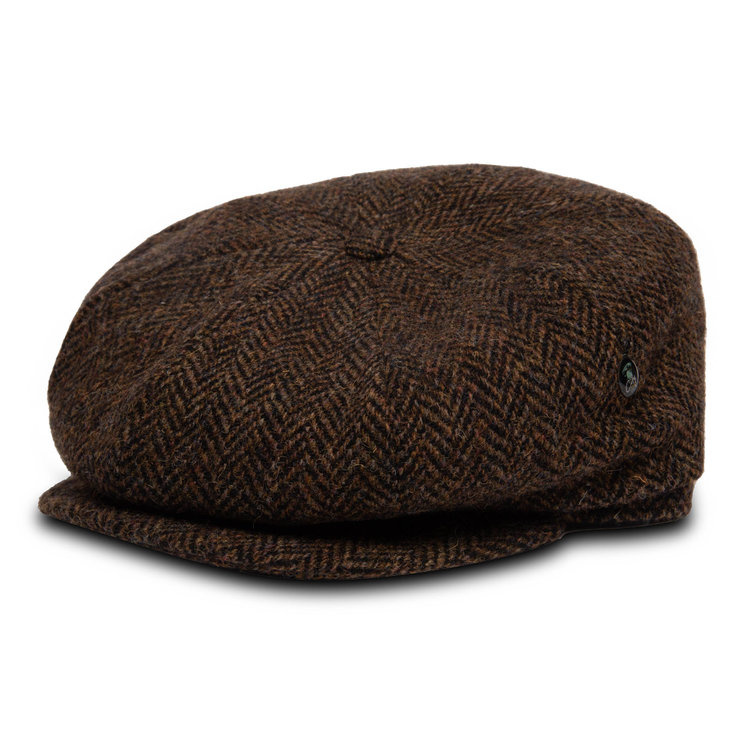
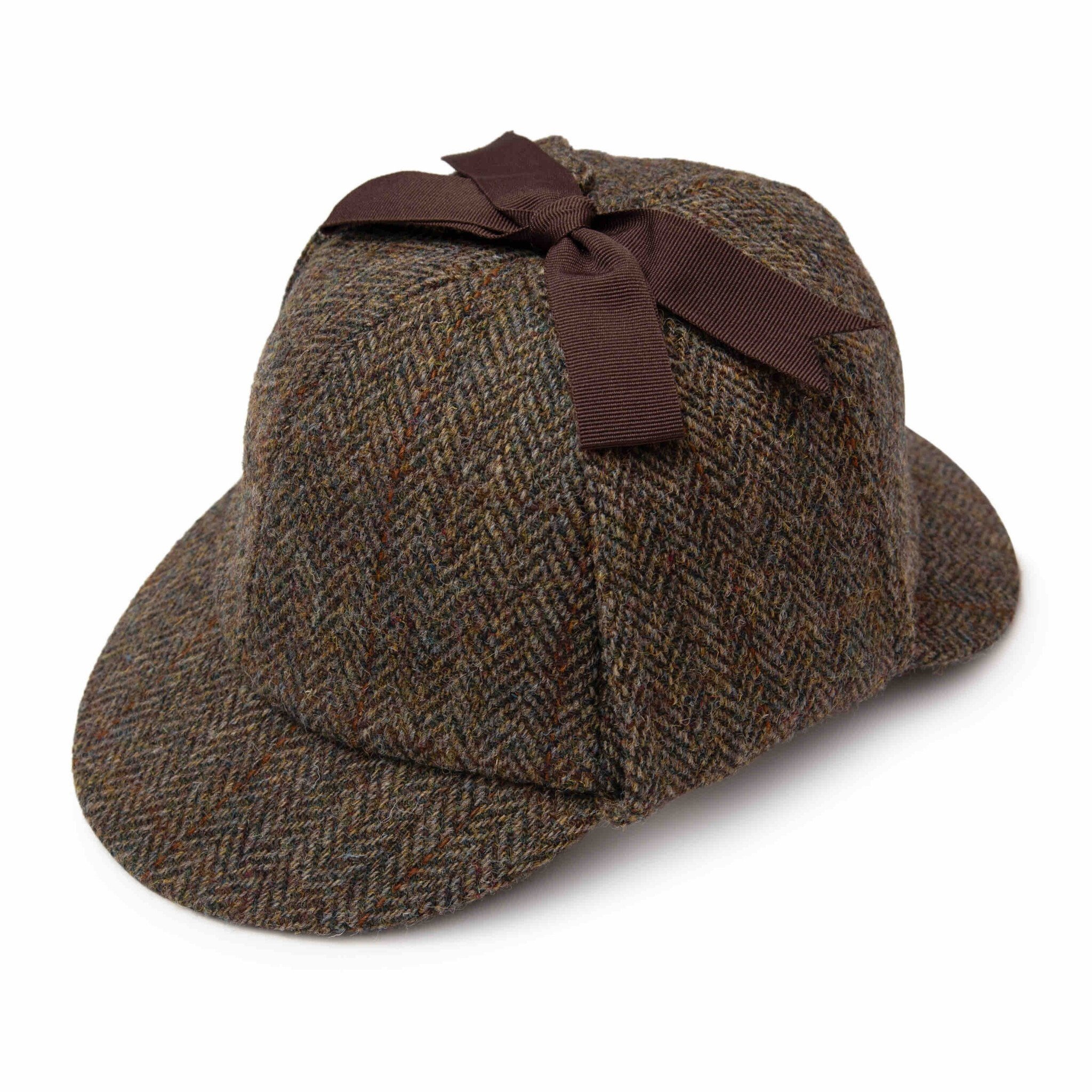
Harris Tweed
Produced exclusively in Scotland’s Outer Hebrides, protected since 1909. Handwoven from virgin wool.
Properties:
Pure virgin wool, dense weave, highly durable, wind-resistant
Ideal for harsher climates.
Wool Fabrics and Loden
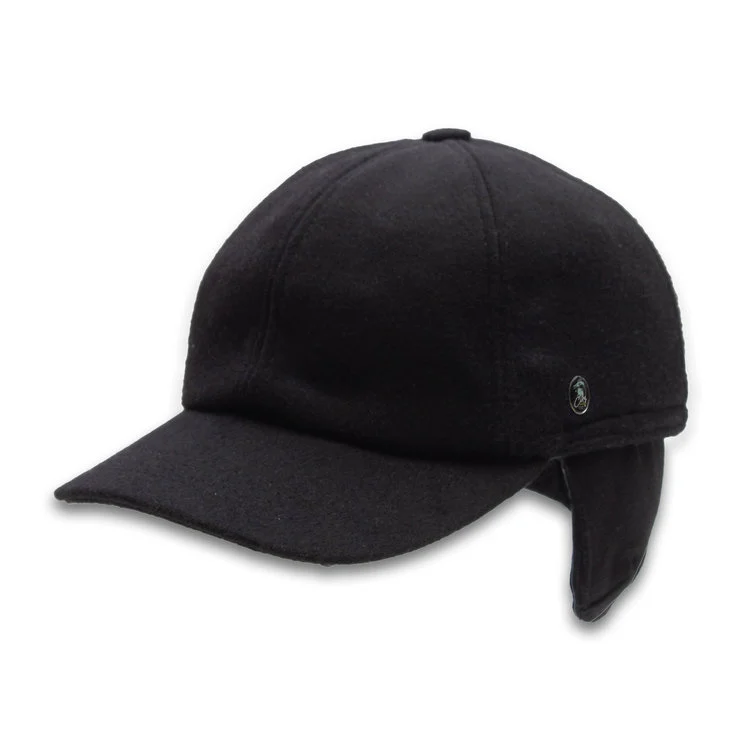
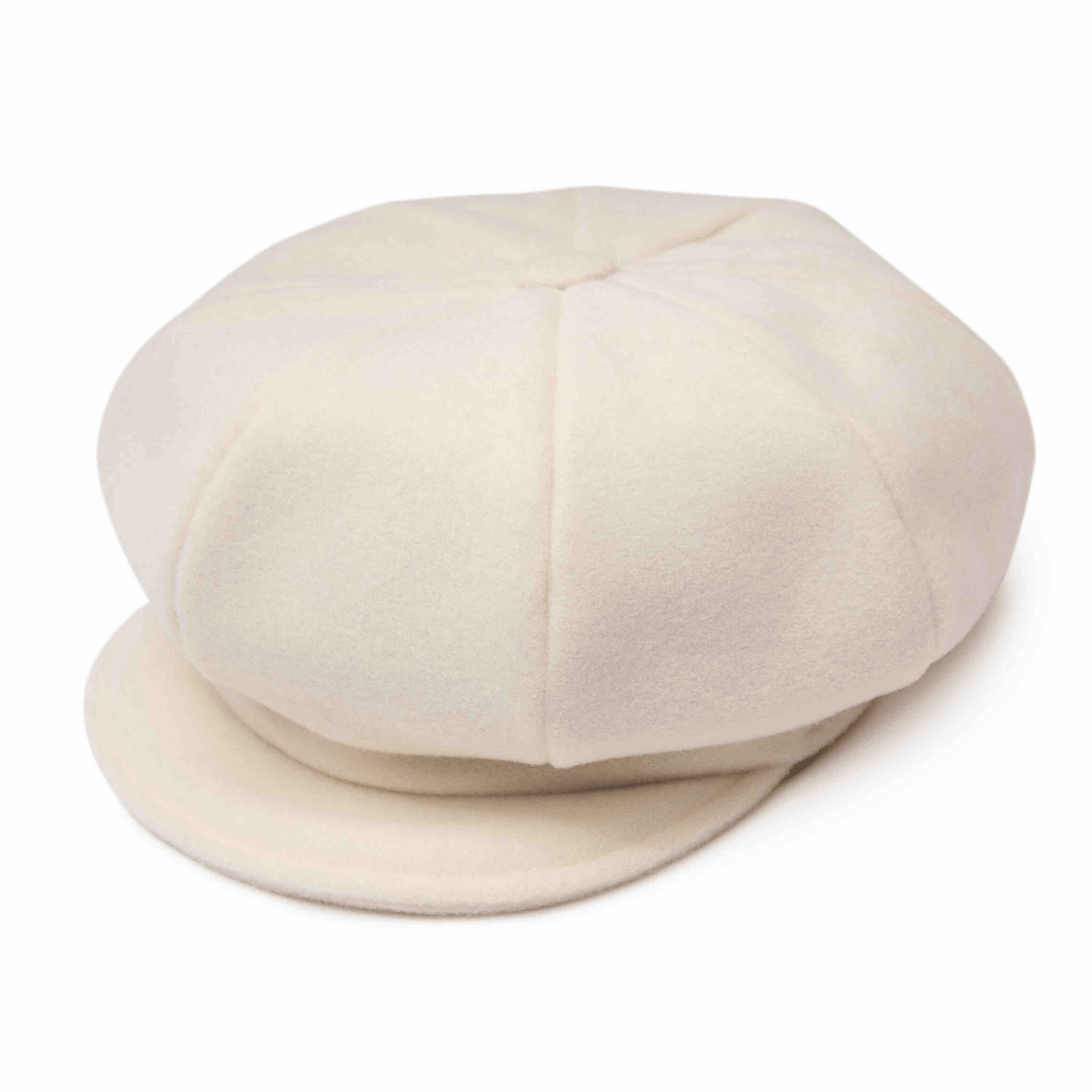
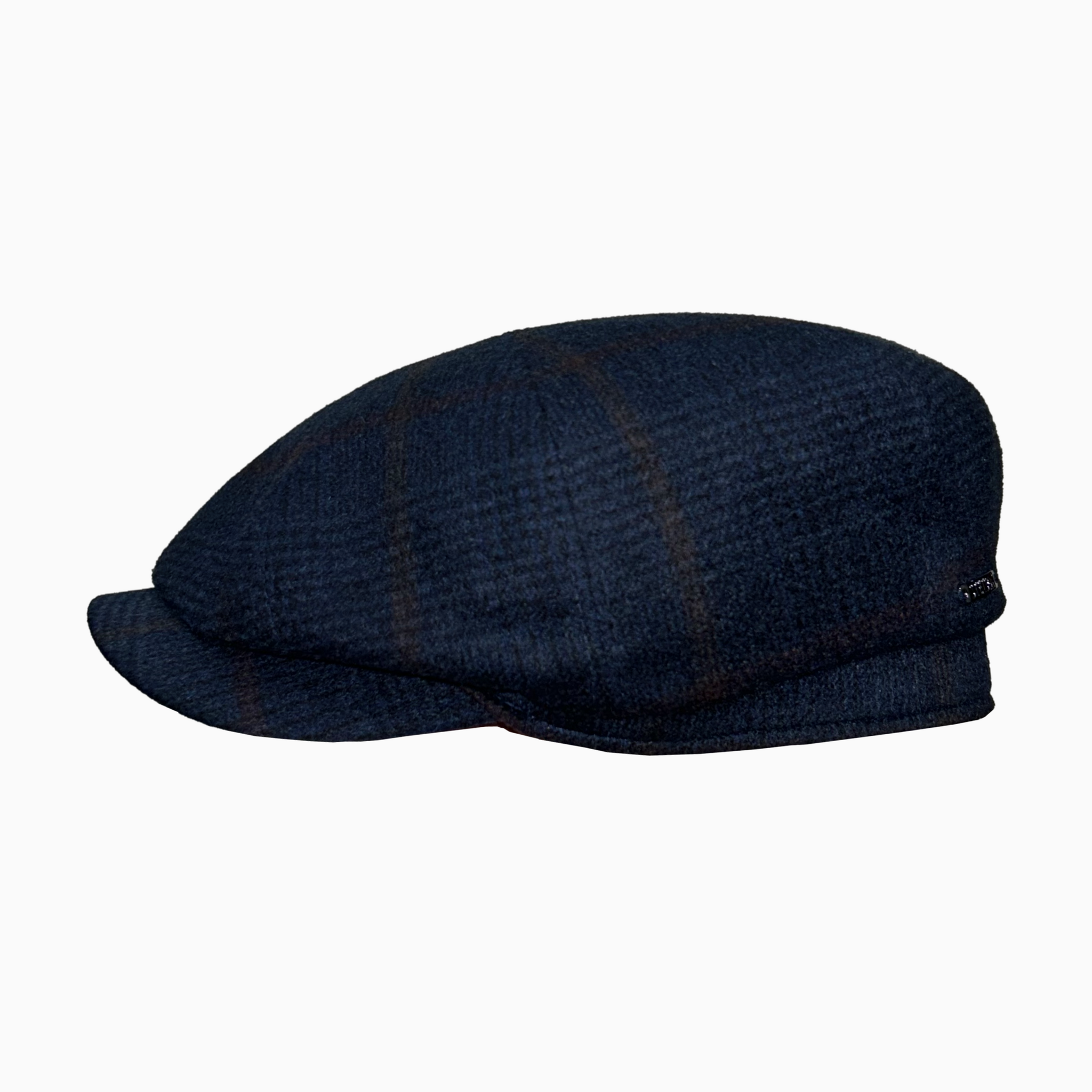
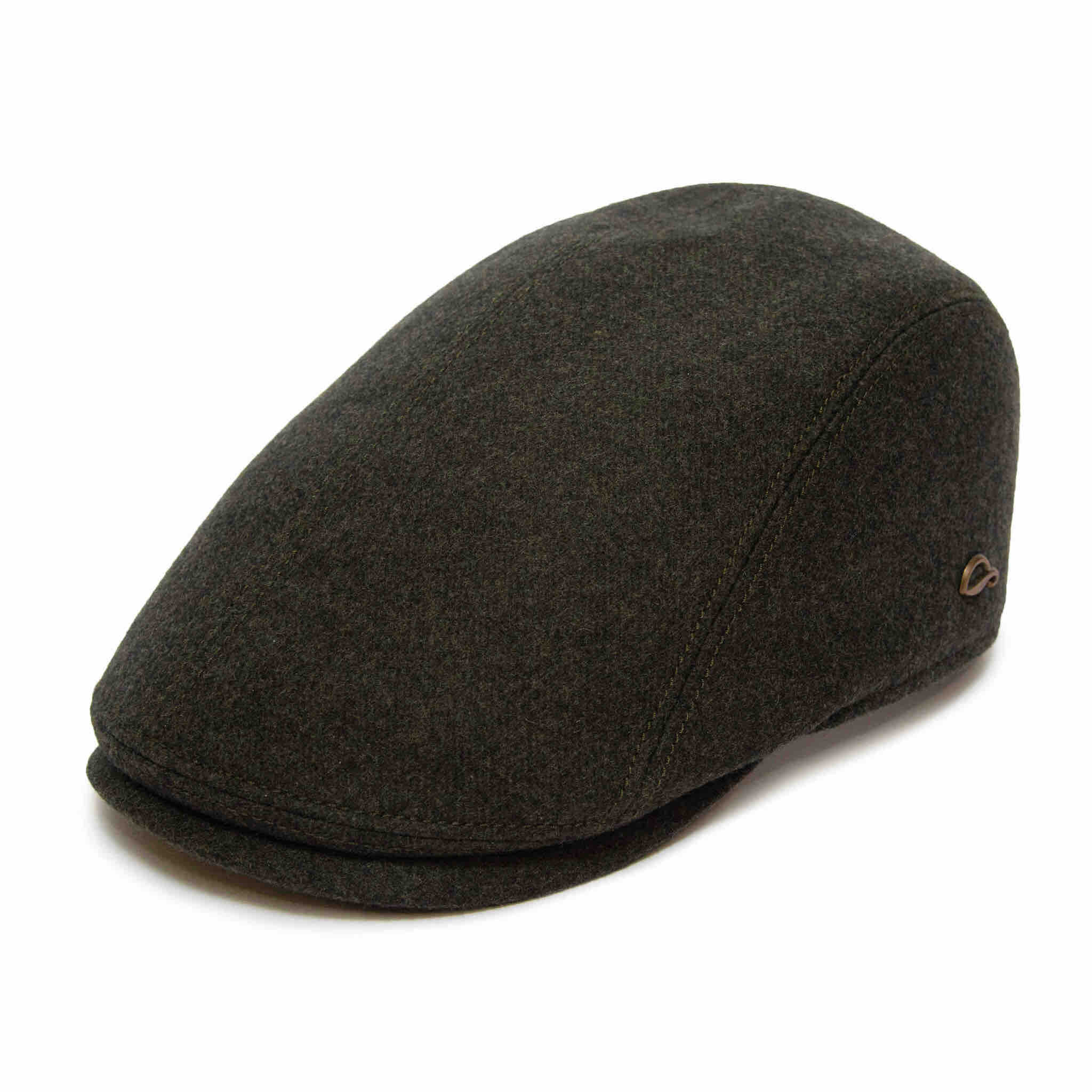
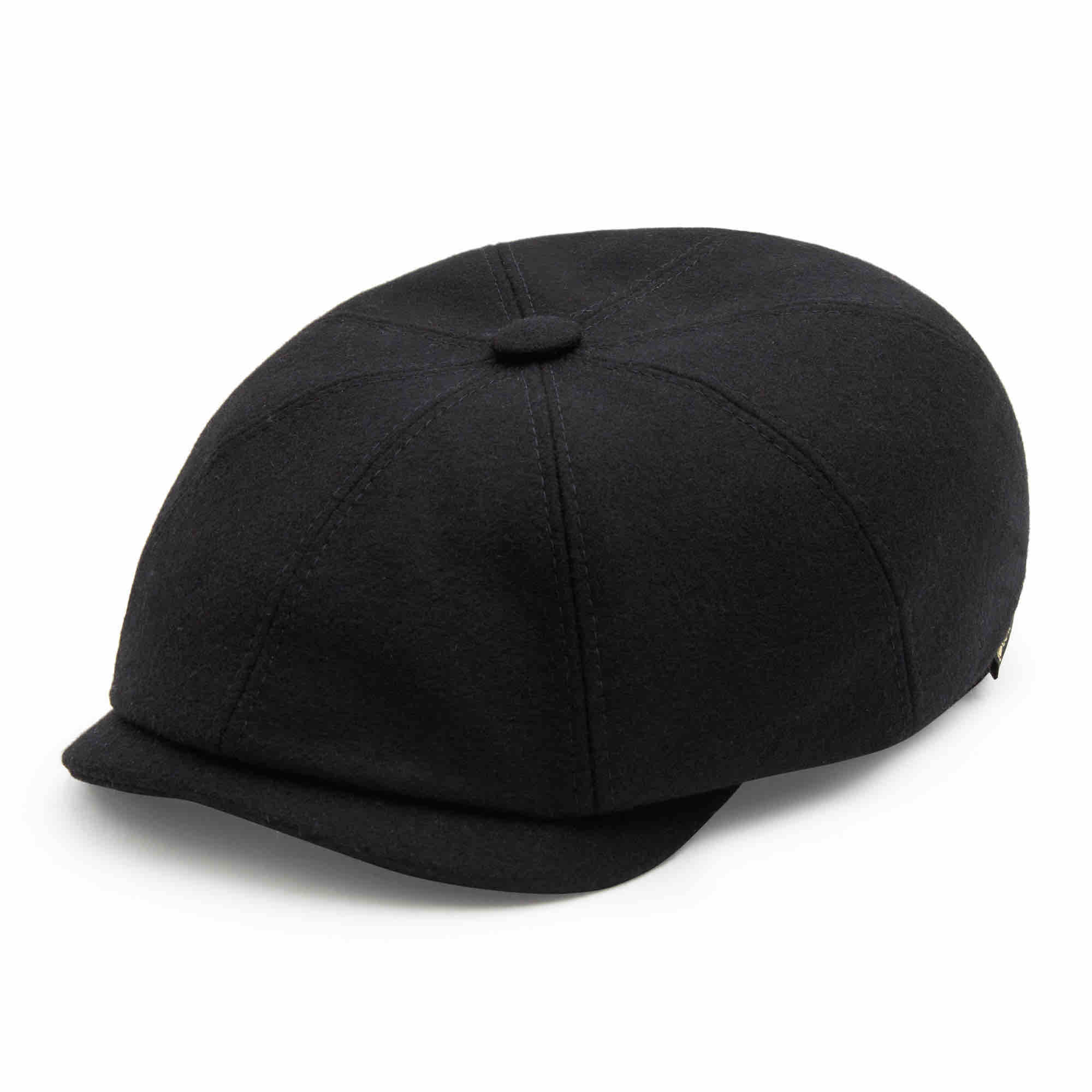
Wool and loden (100% new wool) fabrics are woven from natural spun fibers. Depending on the weave, they can be softer or more structured. A reliable choice for fall, winter, and spring.
Caps in wool offer:
Thermal insulation, flexibility, comfort

Cashmere
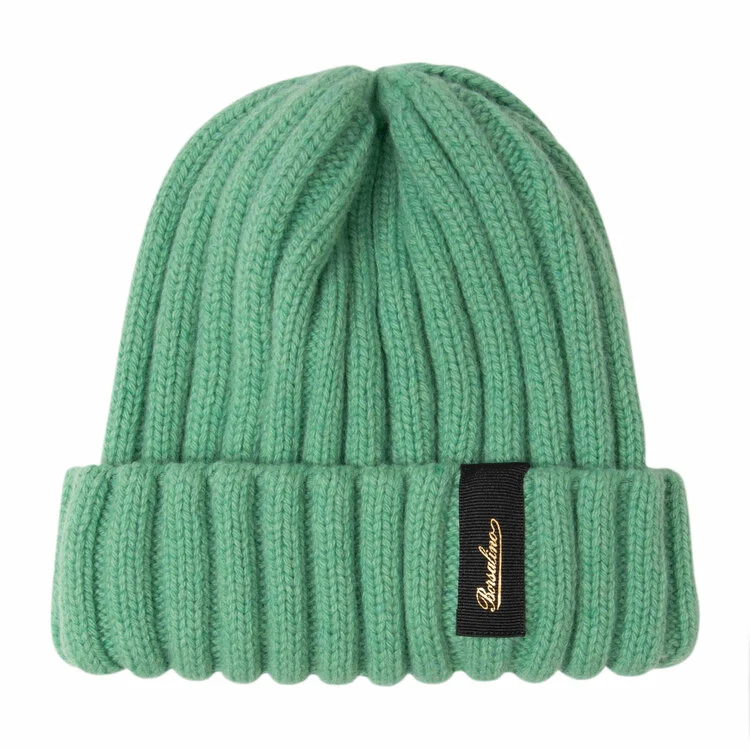
Cashmere comes from the undercoat of the cashmere goat, primarily raised in Mongolia and Central Asia. Exceptionally soft and lightweight, it provides outstanding warmth without bulk.
Properties:
Extremely soft, excellent insulation, lightweight and breathable, refined texture
Advantages:
Superior comfort in cold weather, luxurious appearance, warmth without heaviness
Limitations:
More delicate than wool, requires careful maintenance, higher price
Perfect for a refined winter cap, beanie or hat.
Gore-Tex
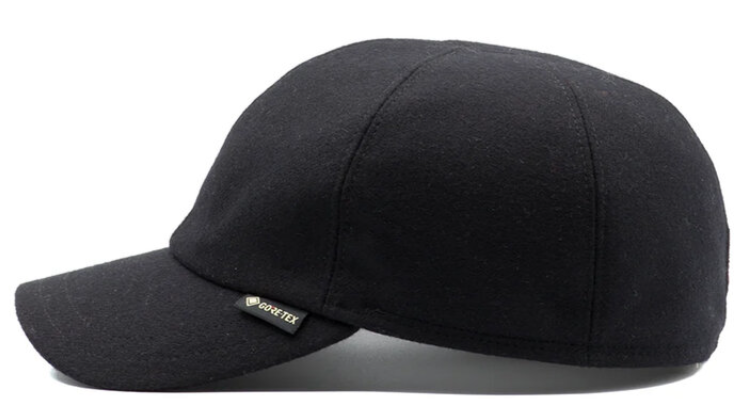
Invented in 1969, Gore-Tex is a waterproof and breathable synthetic membrane with microscopic pores that block water while allowing vapor to escape.
Properties:
Water-resistant, windproof, breathable
Ideal for humid and variable climates like Quebec.
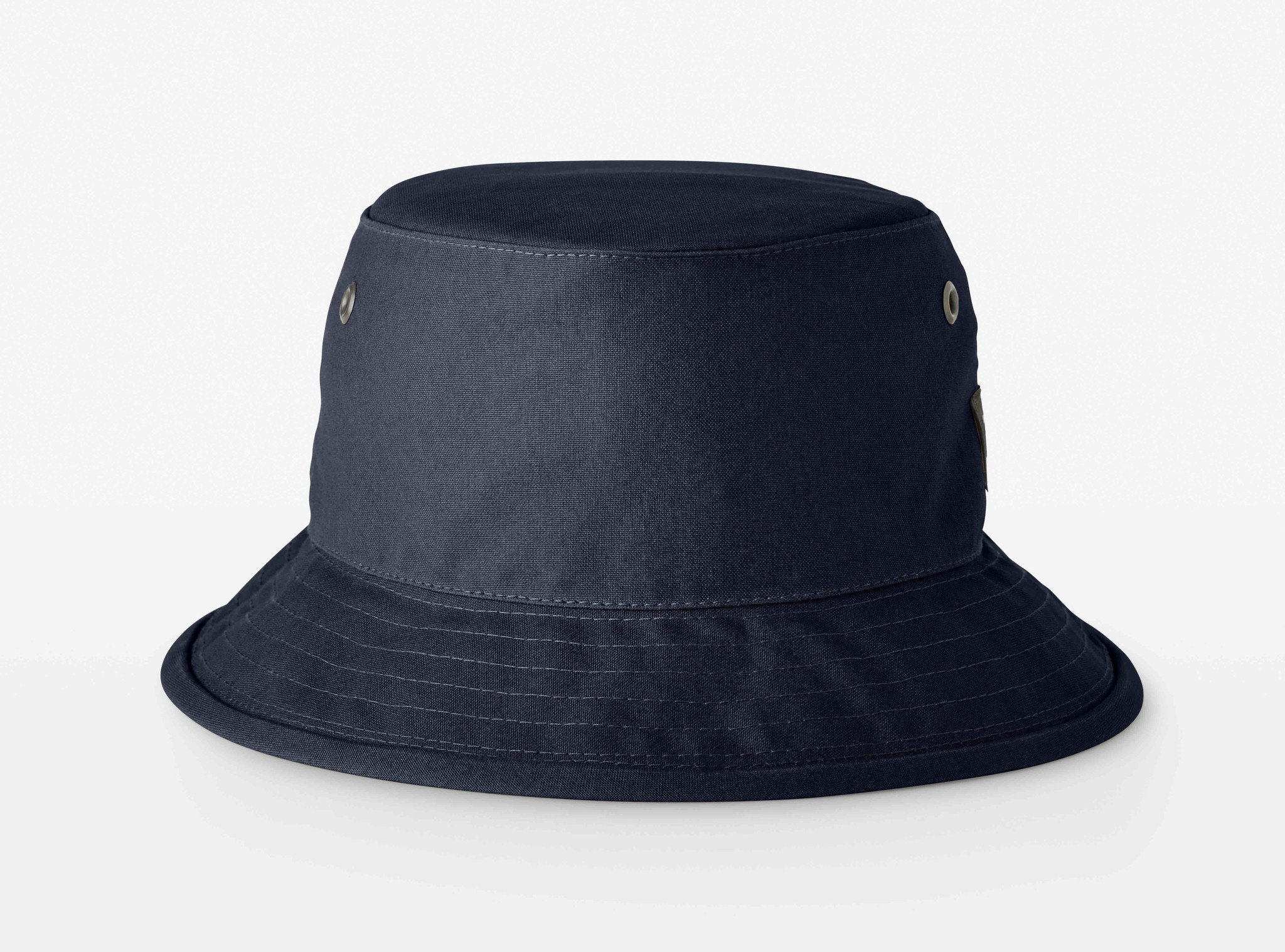
Waxed Cotton
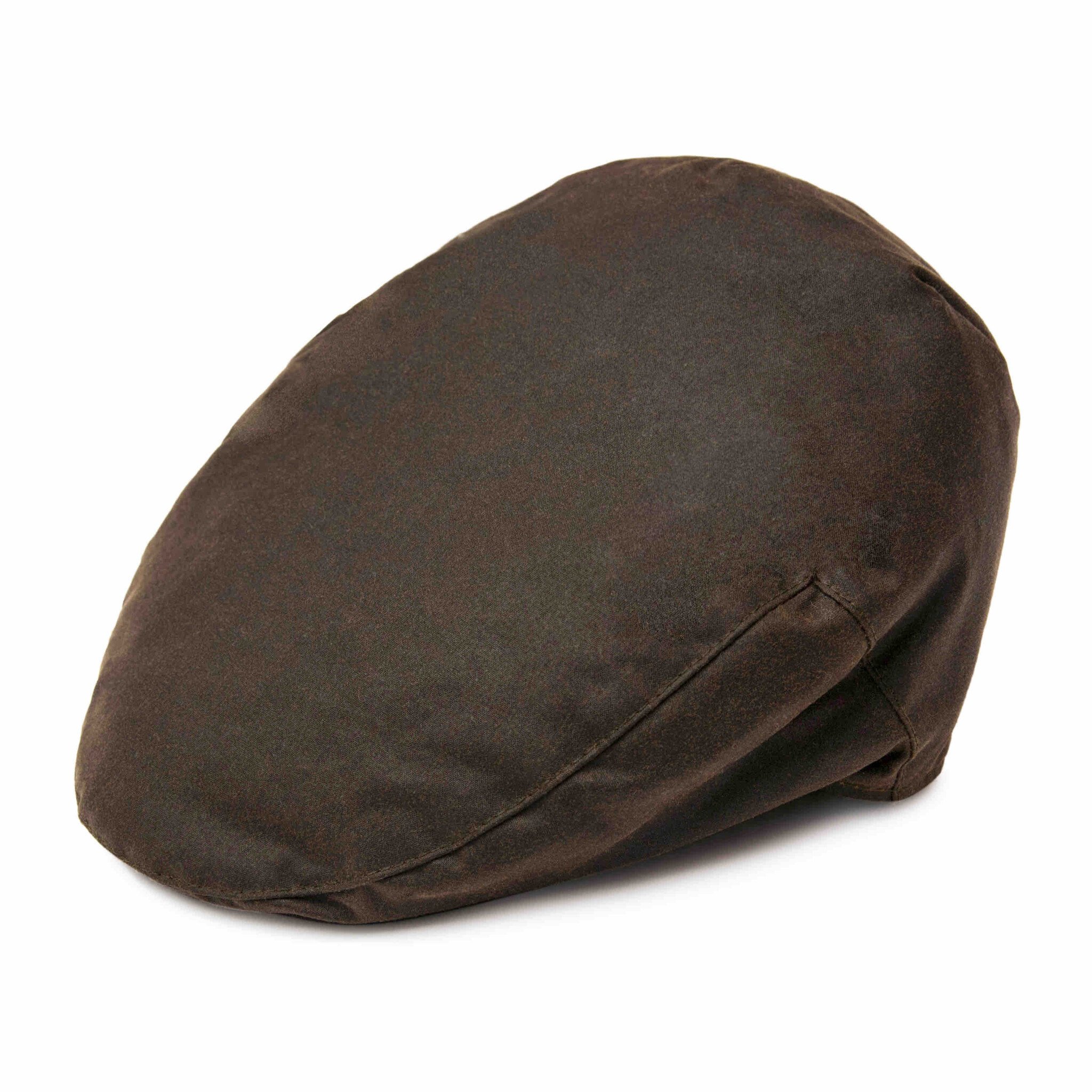
Waxed cotton is cotton fabric infused with natural or synthetic wax for improved water and wind resistance. Used since the 19th century in British outerwear, it is popular in caps and utilitarian headwear.
Properties:
Water-resistant, wind-resistant, supple, develops patina
Advantages:
Ideal for mid-season, good protection against light rain, timeless utilitarian style
Limitations:
Less breathable than untreated cotton, may require re-waxing, not suited for heavy prolonged rain. Do not wash with warm water or temperature as this could melt the wax.
Perfect for a functional yet refined casual cap.
Summer Materials: Linen and Silk
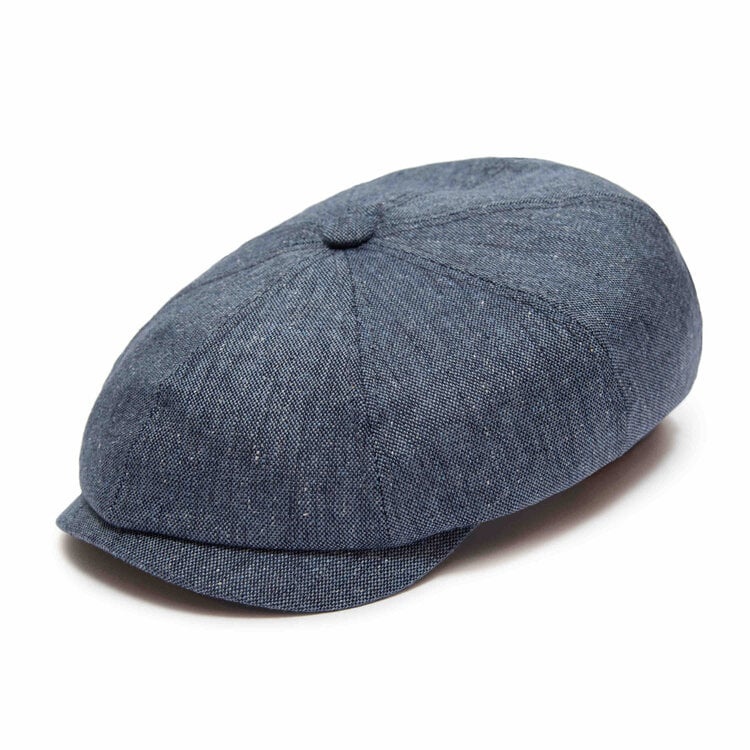
Linen
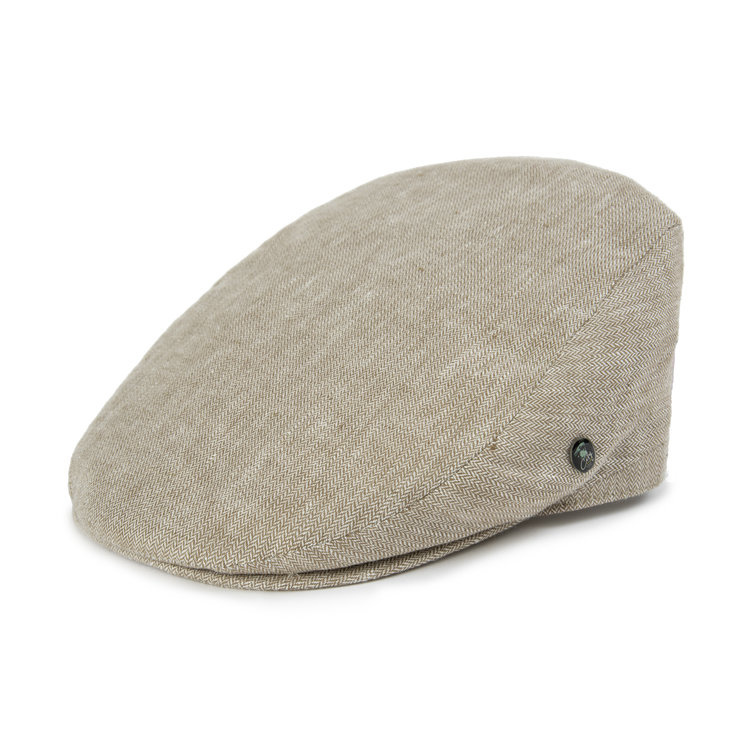
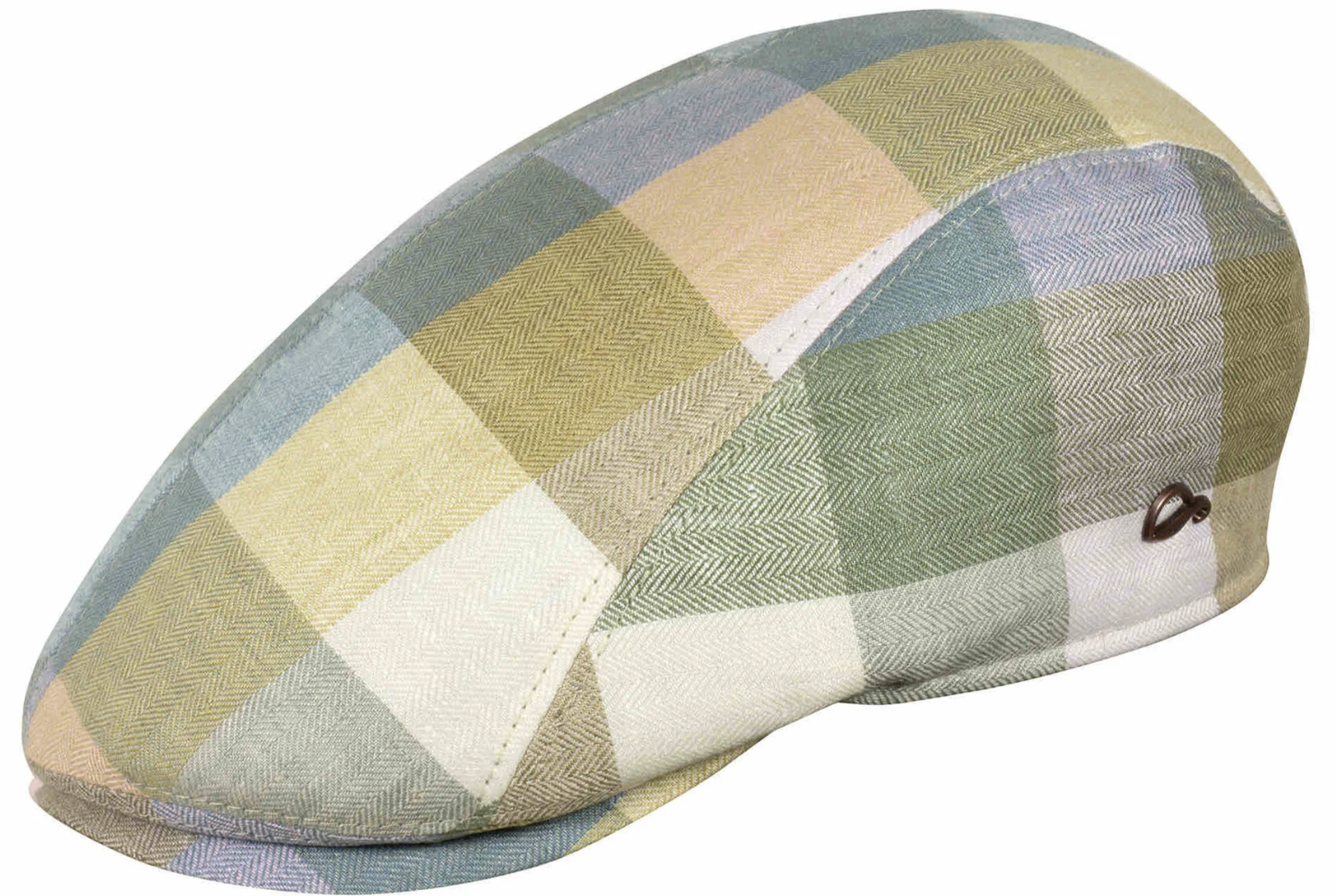
A natural fiber derived from the flax plant, primarily cultivated in Europe. Used since Ancient Egypt, linen is prized for breathability and coolness.
Properties:
Highly breathable, lightweight, moisture-absorbing, elegant textured appearance
Ideal for summer caps.

Silk
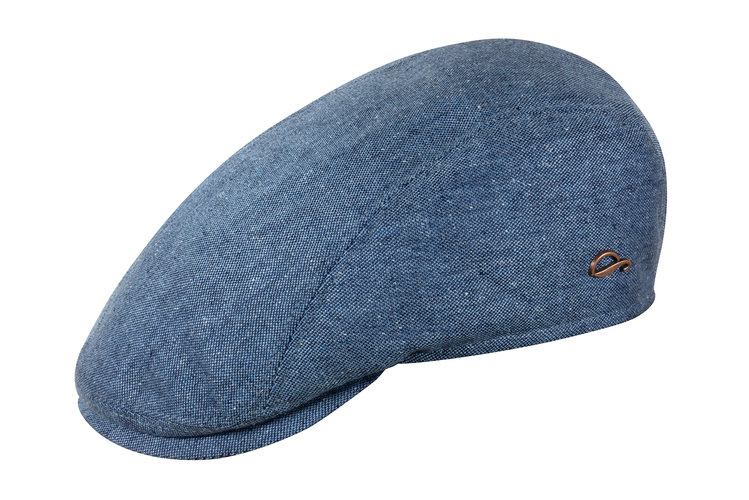
Produced from silkworm cocoons, silk has symbolized luxury for over 4,000 years. In hatmaking, it adds shine and refinement.
Silk offers:
Lightness, luxurious texture, natural sheen
Often blended for durability. More delicate — avoid snags and always dry in the shade, never direct sunlight.
The Henri Henri Expertise
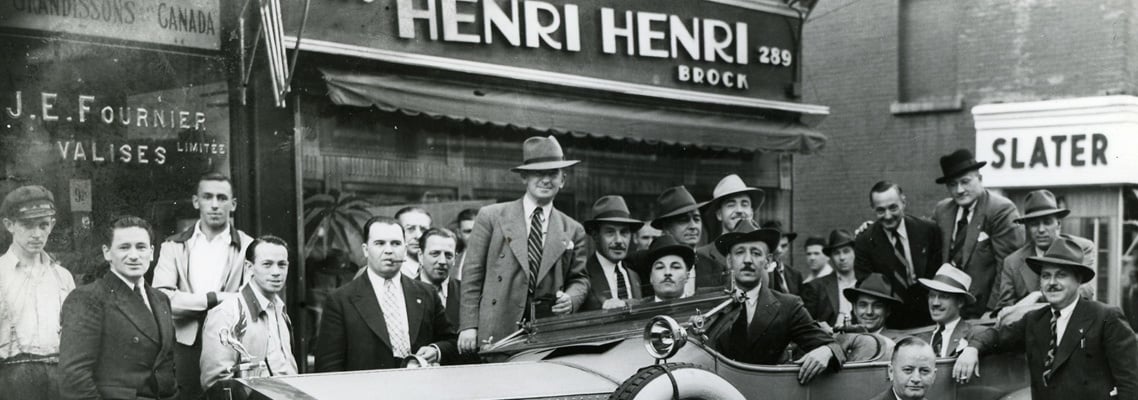
For over 90 years, Henri Henri has carefully selected noble and high-performance materials to offer hats and caps adapted to the Canadian climate and the highest quality standards.
Understanding materials means choosing your hat better — and caring for it properly.
Have questions about a specific material?
Visit us in our Montreal boutique or explore our complete collection online at henrihenri.ca.
Leave a comment
Recent articles
View all
The Most Iconic Hats in Film: When Headwear Becomes a Legend
Hat Care Guide: Henri Henri’s Complete Video Tutorials